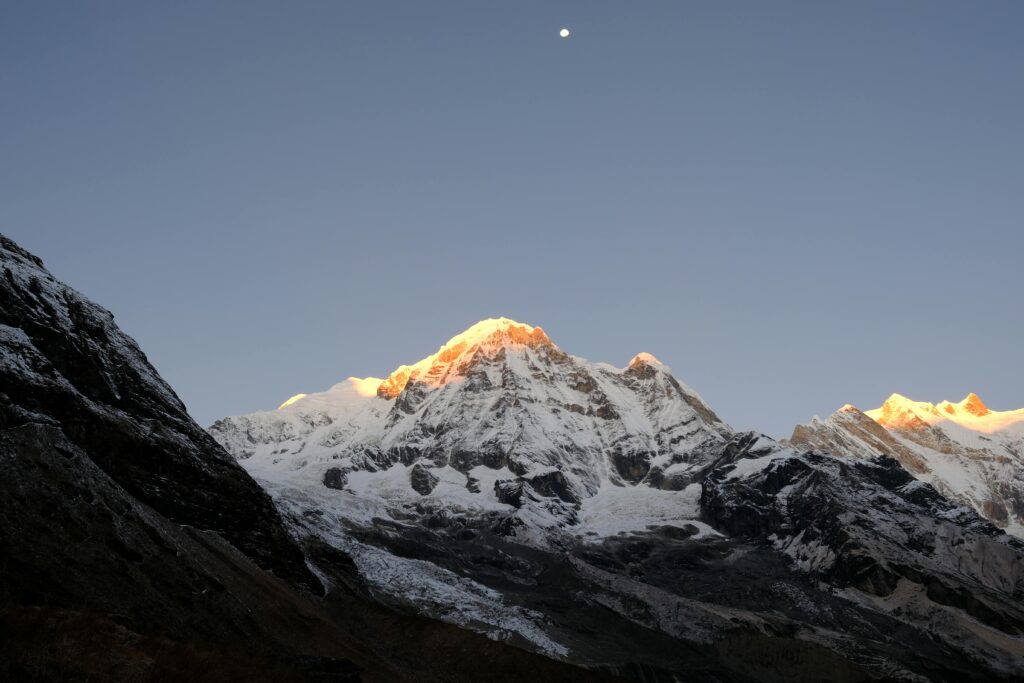
Rising above the clouds at 8,848.86 meters (29,032 ft), Mount Everest, known as Sagarmatha in Nepal and Chomolungma in Tibet, remains the ultimate dream for mountaineers across the globe. Since the first successful ascent by Sir Edmund Hillary and Tenzing Norgay Sherpa on May 29, 1953, the mountain has captured the imagination of explorers worldwide. Each climbing season, reportedly around 500–700 climbers attempt the summit, yet the journey continues to be as humbling, demanding, and awe-inspiring as it was for the first pioneers.
Everest sits along the natural border of Nepal and Tibet, and the route that has touched the hearts of generations—the classic South Col Route—winds gently through the soul of Nepal’s Khumbu region. With Royal Orchid Treks & Expedition, your journey begins in Kathmandu before flying to Lukla and trekking through Namche Bazaar, Tengboche Monastery, and the Khumbu Glacier to reach Everest Base Camp (5,364 m).
From Base Camp, the climb unfolds gradually. You cross the shifting Khumbu Icefall, move into the sunlit Western Cwm, ascend the steep blue ice of the Lhotse Face, and reach the windswept South Col, poised at the edge of the Death Zone. From here, climbers make their final push toward the highest point on Earth.
The altitude is extreme, the weather unpredictable, and the thin air challenges every breath. Yet with the steady support of our experienced Sherpa climbing team, a carefully designed acclimatization plan, and reliable expedition equipment, you are guided with patience, care, and deep Himalayan expertise at every stage of the climb.
Climbing Everest is more than a summit—it is a personal journey shaped by courage, humility, and the timeless beauty of the Himalayas. At Royal Orchid Treks & Expedition, we walk with you as family, sharing the same trails our ancestors have guided for generation.
This expedition is designed for experienced mountaineers with previous high-altitude climbing experience (above 7,000 m), ready to push their limits and experience the true essence of Himalayan exploration. With decades of guiding heritage, local expertise, and a deep respect for the mountain and its culture, Royal Orchid Treks & Expedition ensures that your journey to the top of the world is not just a climb — it’s an achievement that defines a lifetime
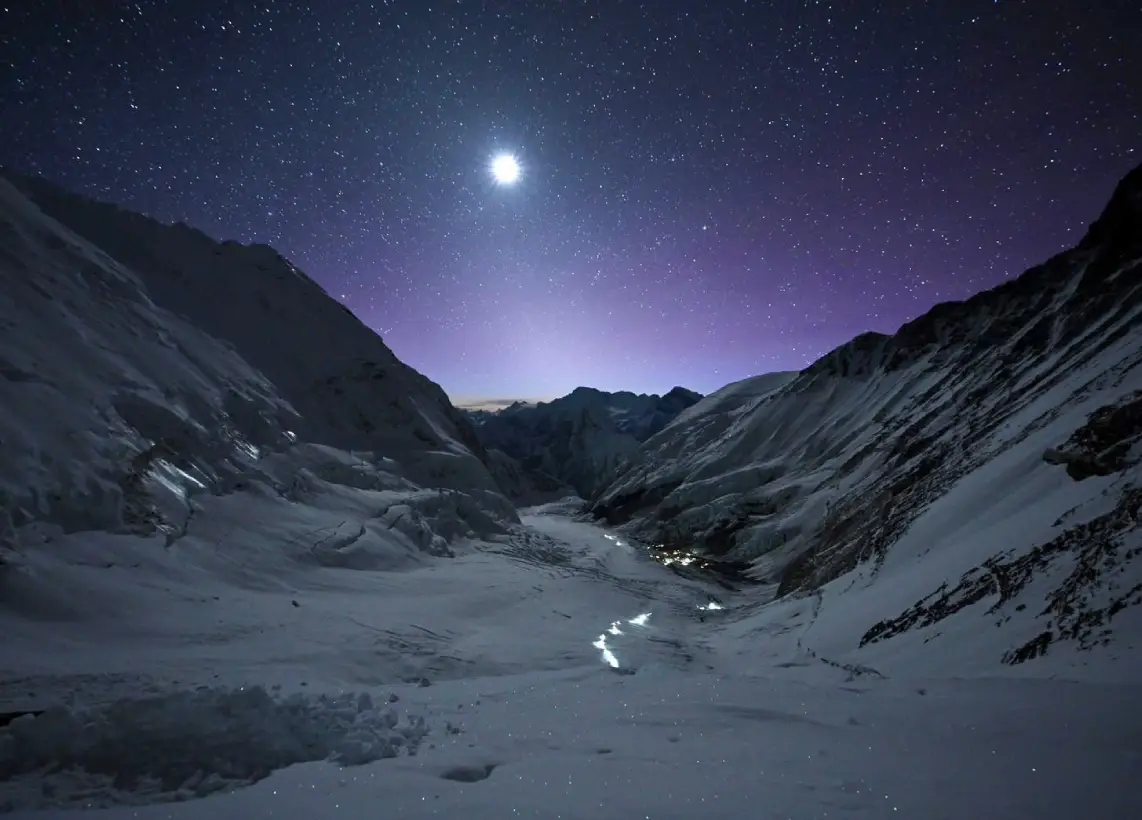
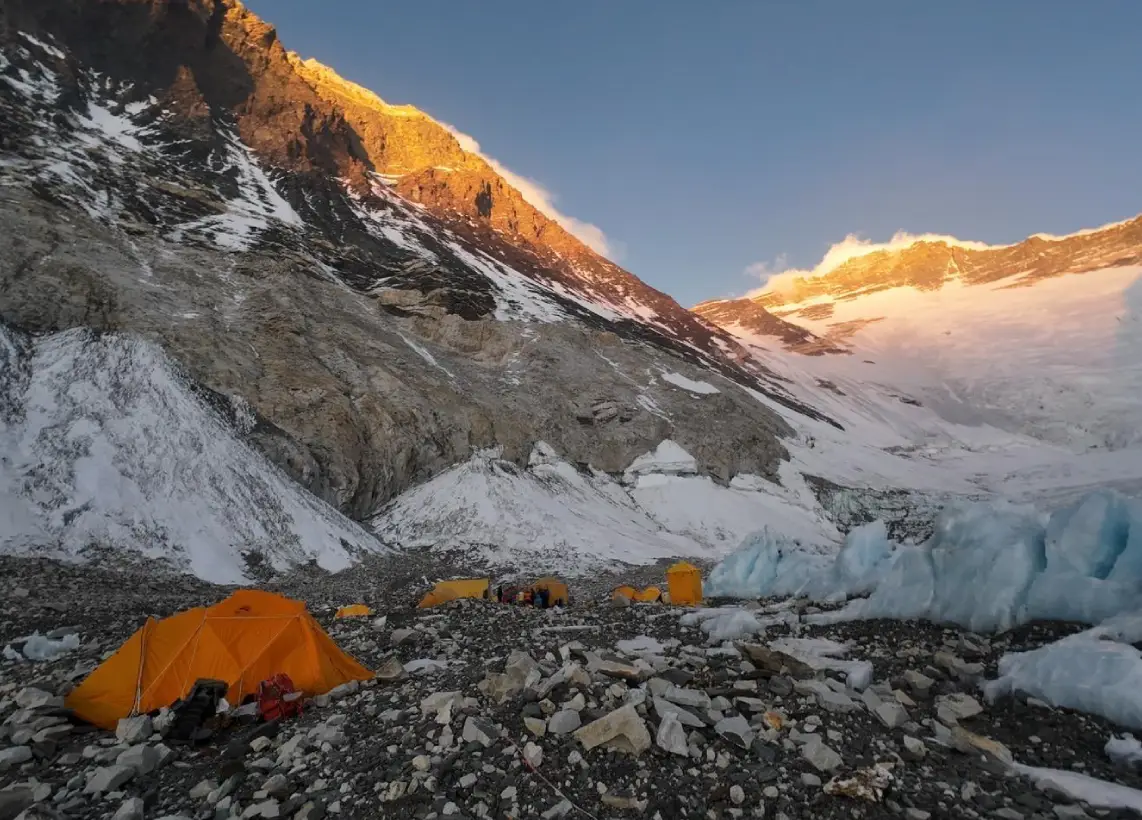
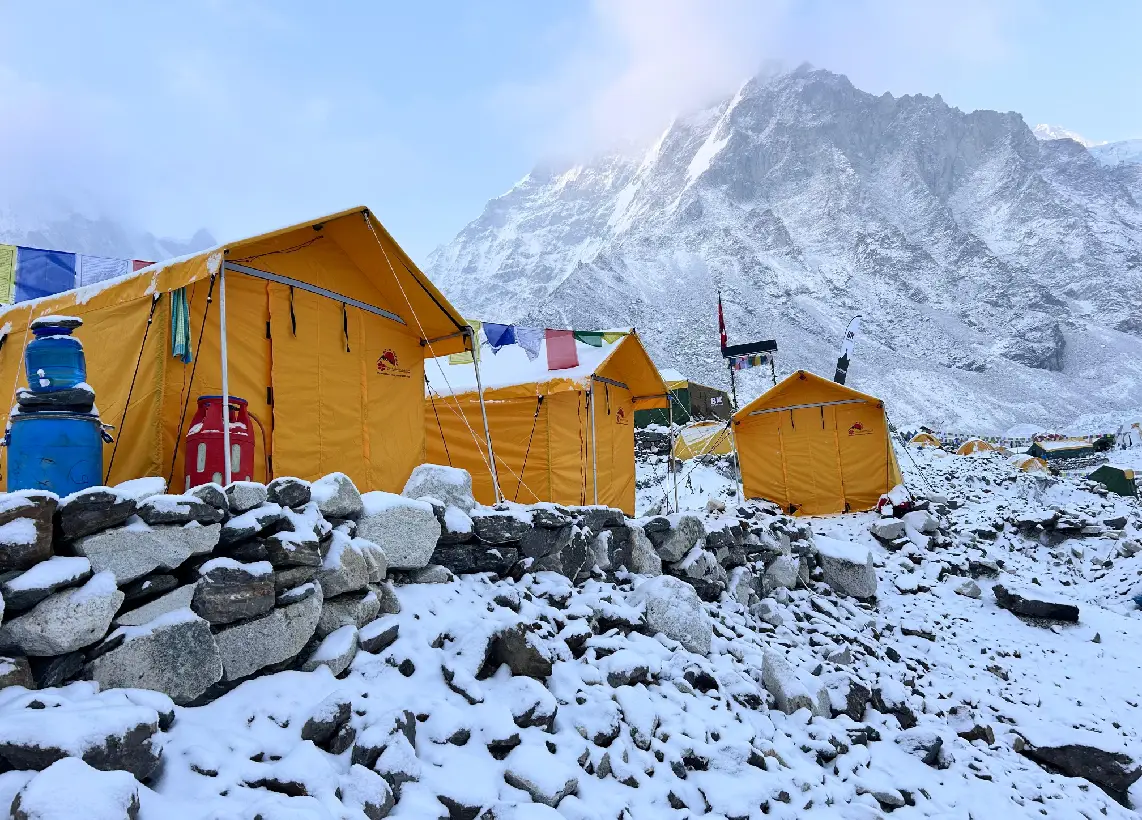
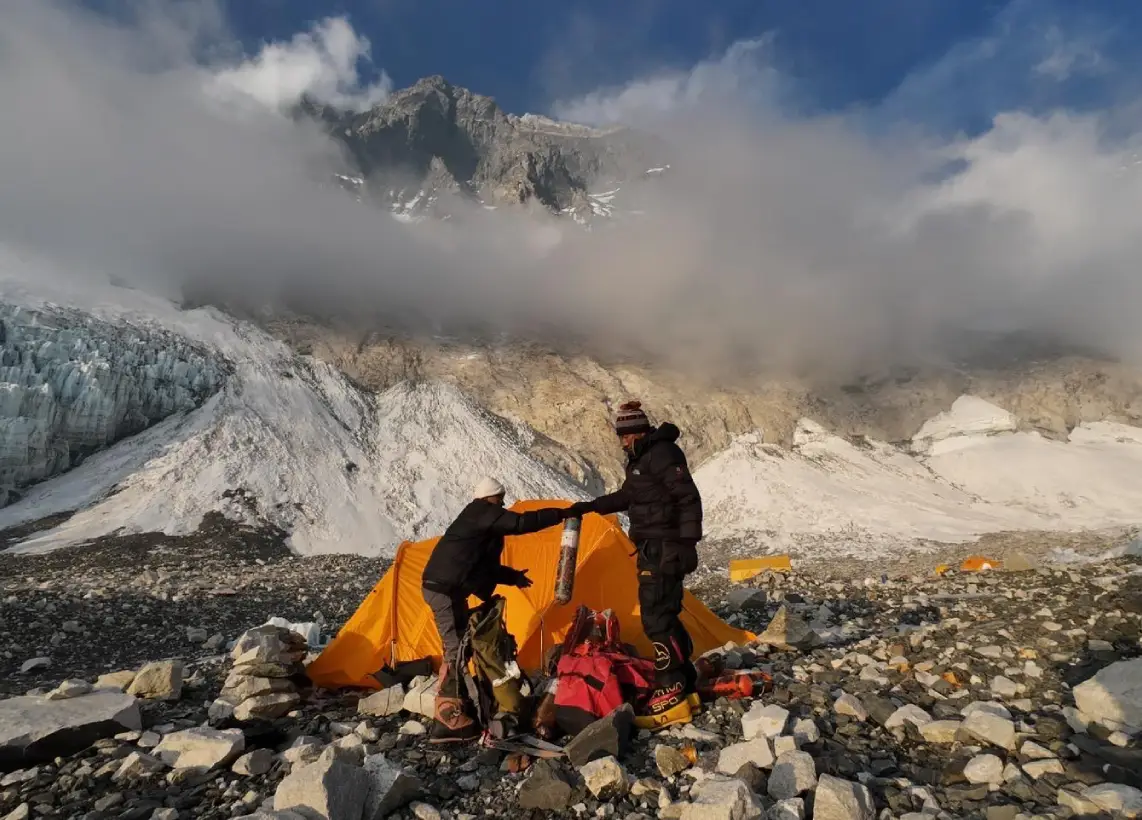
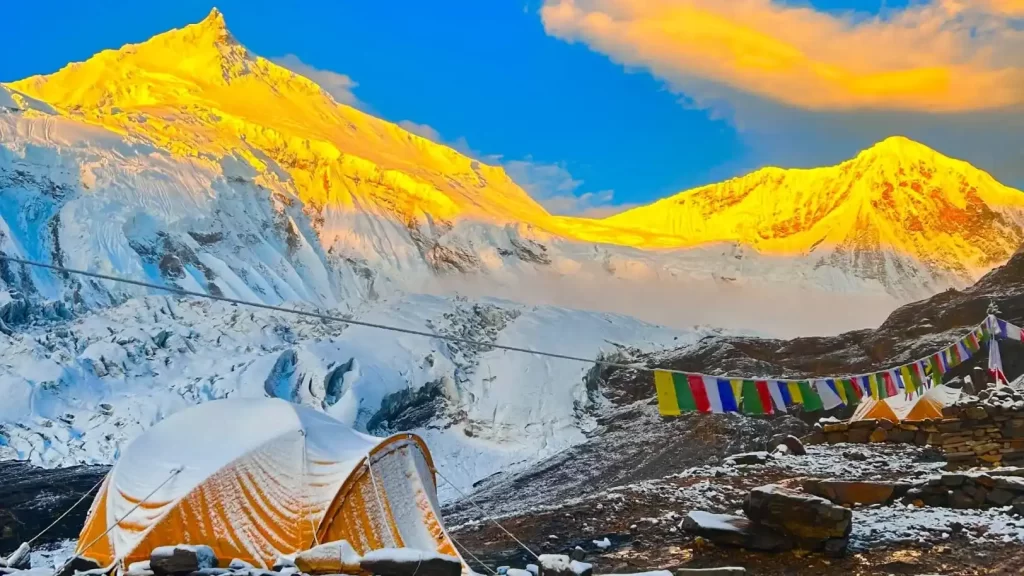
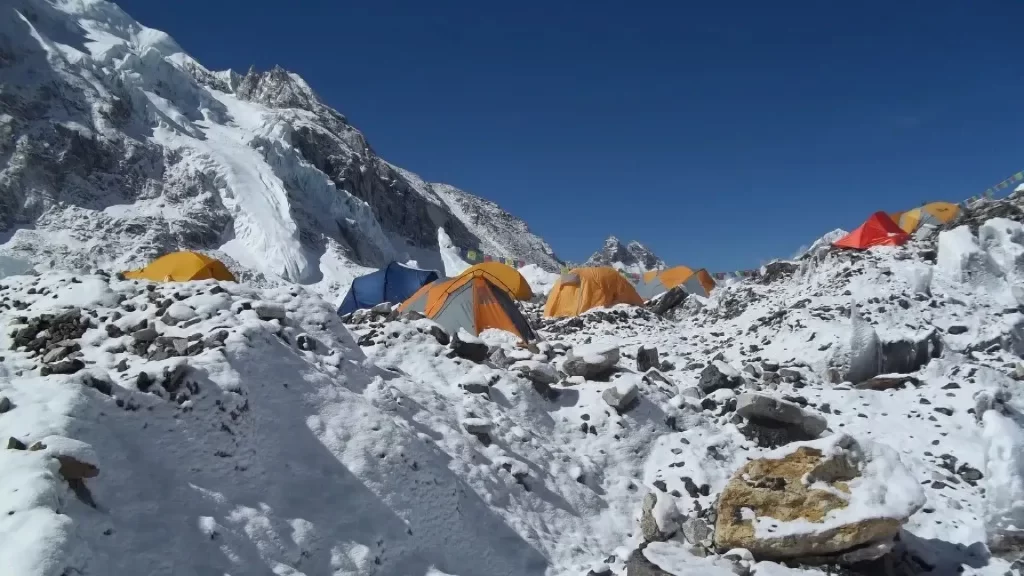
Everest Base Camp becomes your home for several weeks as you prepare for rotations higher up the mountain. Set beneath the towering faces of Pumori, Nuptse, Lhotse, and the dramatic Khumbu Icefall, Base Camp feels like a small Himalayan community during peak season. The glacier shifts slowly beneath the tents, requiring platforms to be adjusted over time. Warm mornings, sudden afternoon snow showers, and the constant cracking of ice create an unforgettable environment where climbers rest, train, and gather strength.
Camp I (≈5,900–6,050 m / 19,356–19,849 ft)
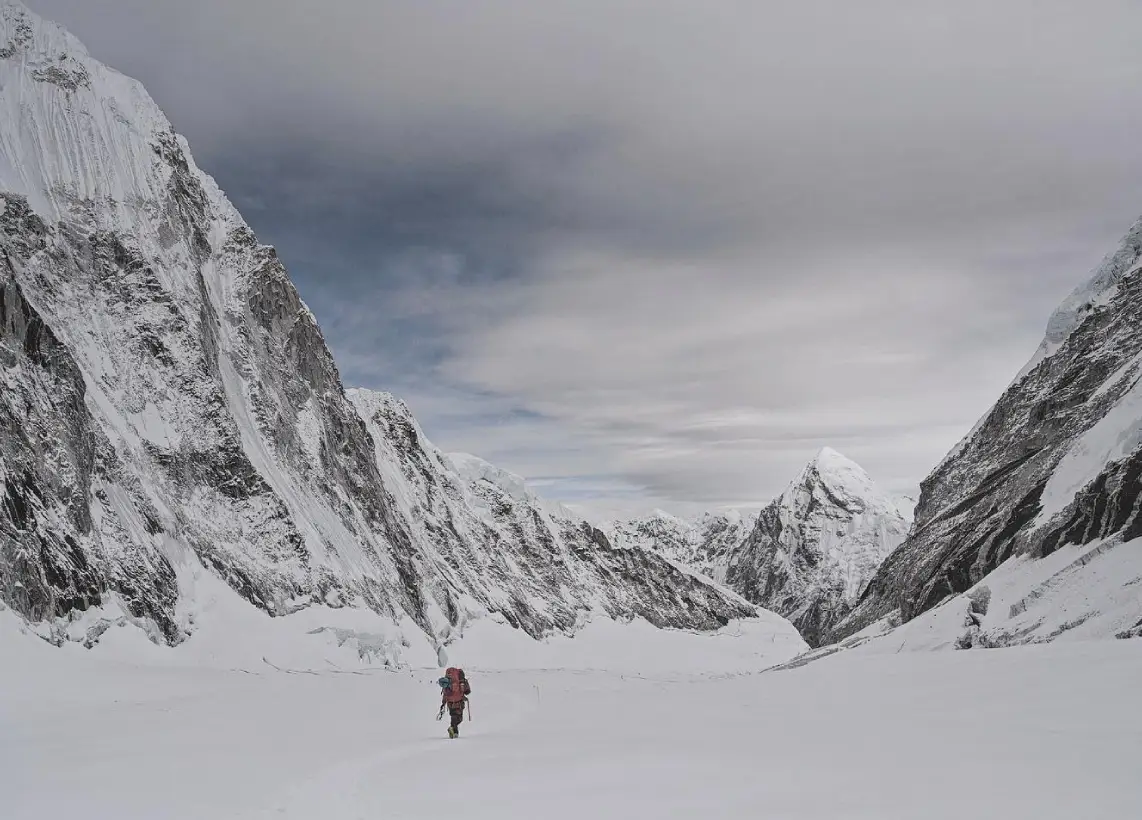
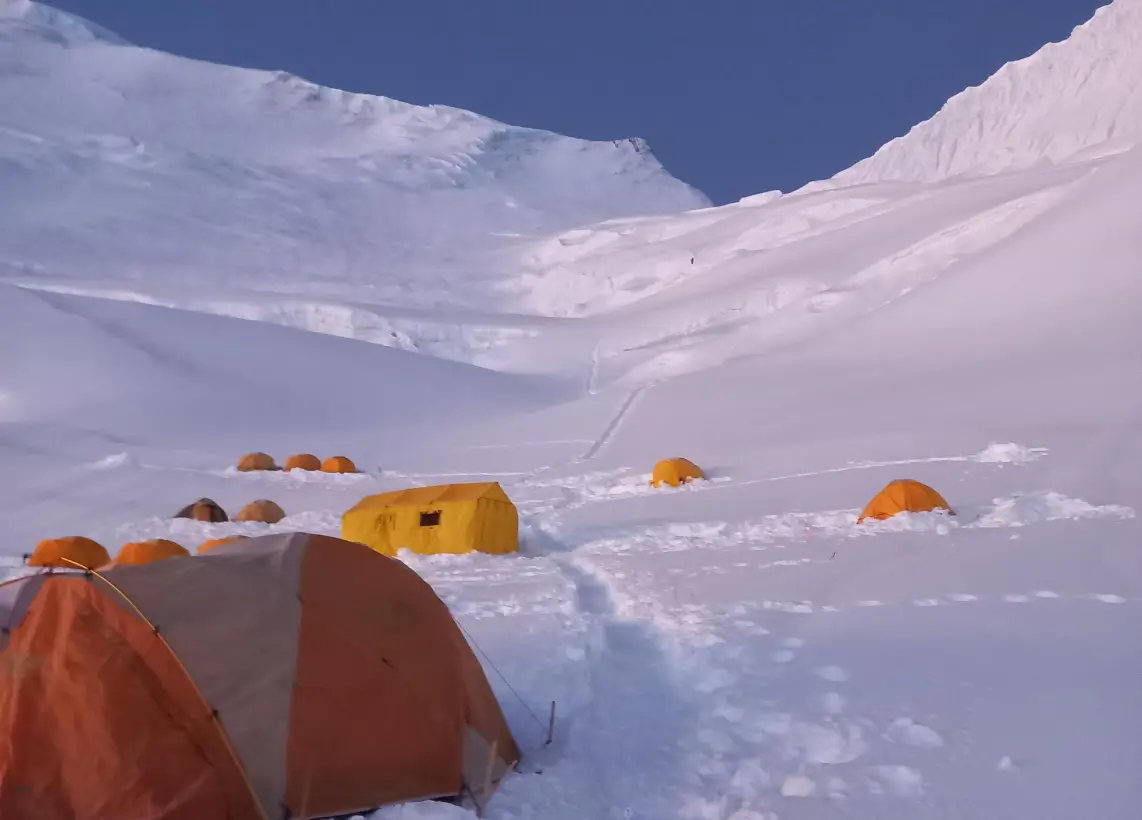
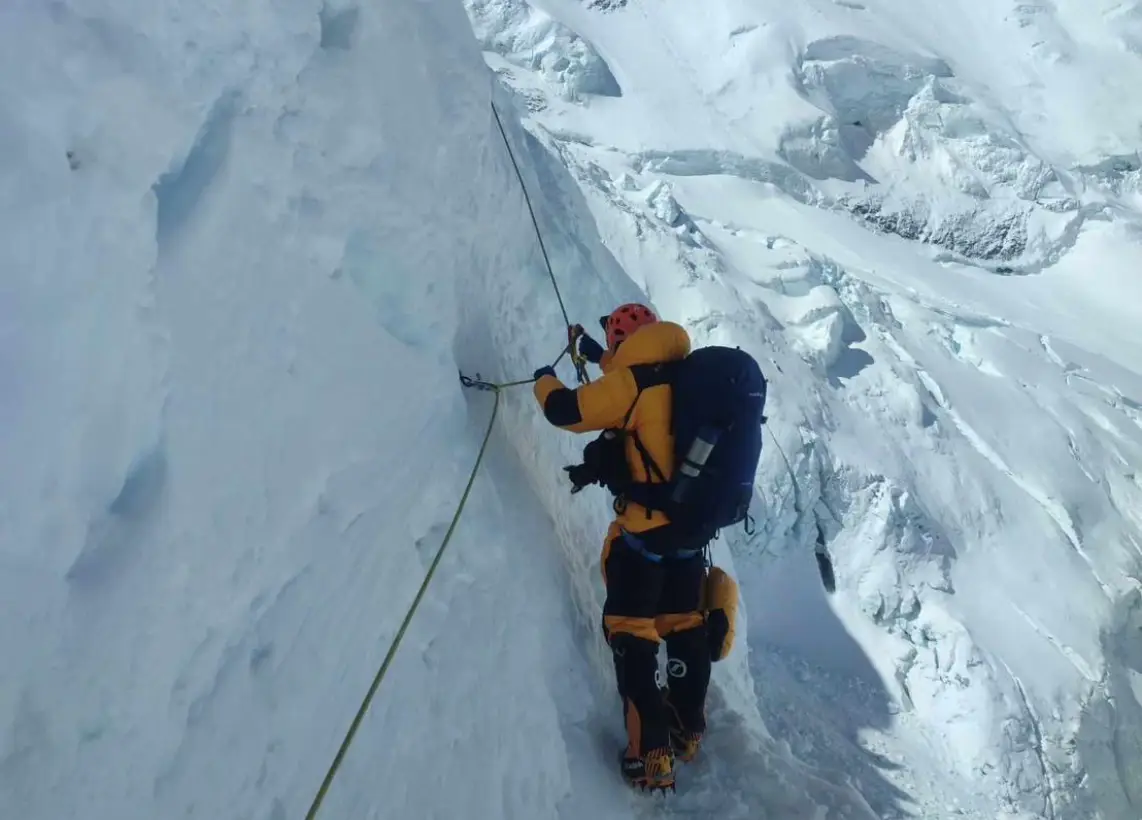
Reaching Camp I requires navigating the notorious Khumbu Icefall, a moving maze of deep crevasses, towering seracs, and constantly shifting ice blocks. Climbers ascend using fixed ropes and aluminum ladders placed across frozen gaps. Camp I sits at the entrance of the Western Cwm, a quiet, broad valley of ice. Most expeditions spend one or two nights here for acclimatization before continuing upward.
Camp II (≈6,400–6,500 m / 20,998–21,325 ft)
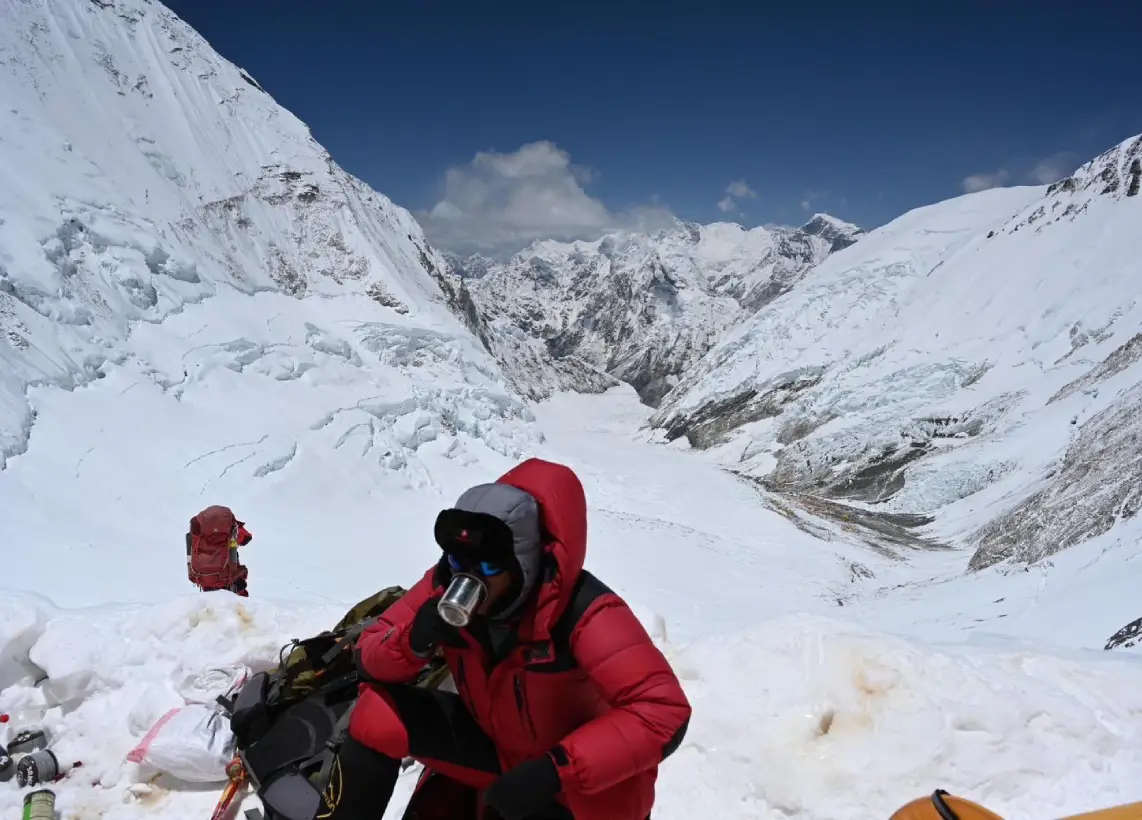
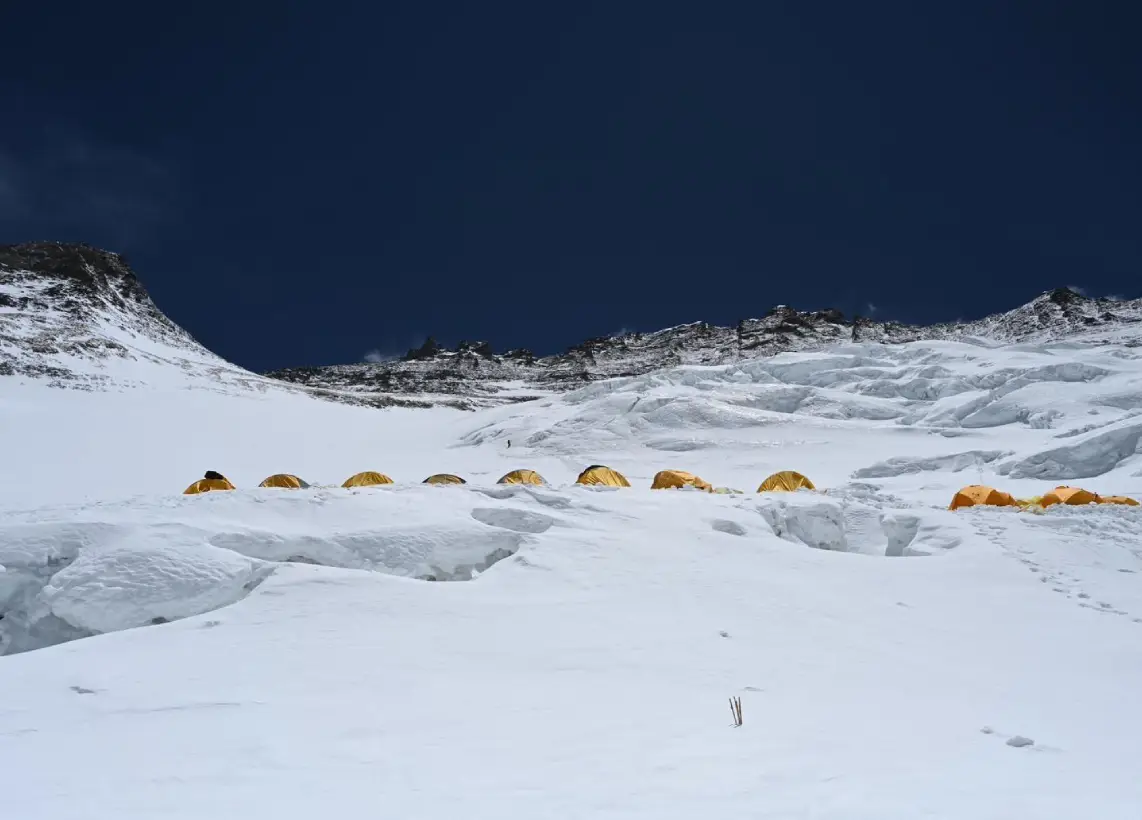
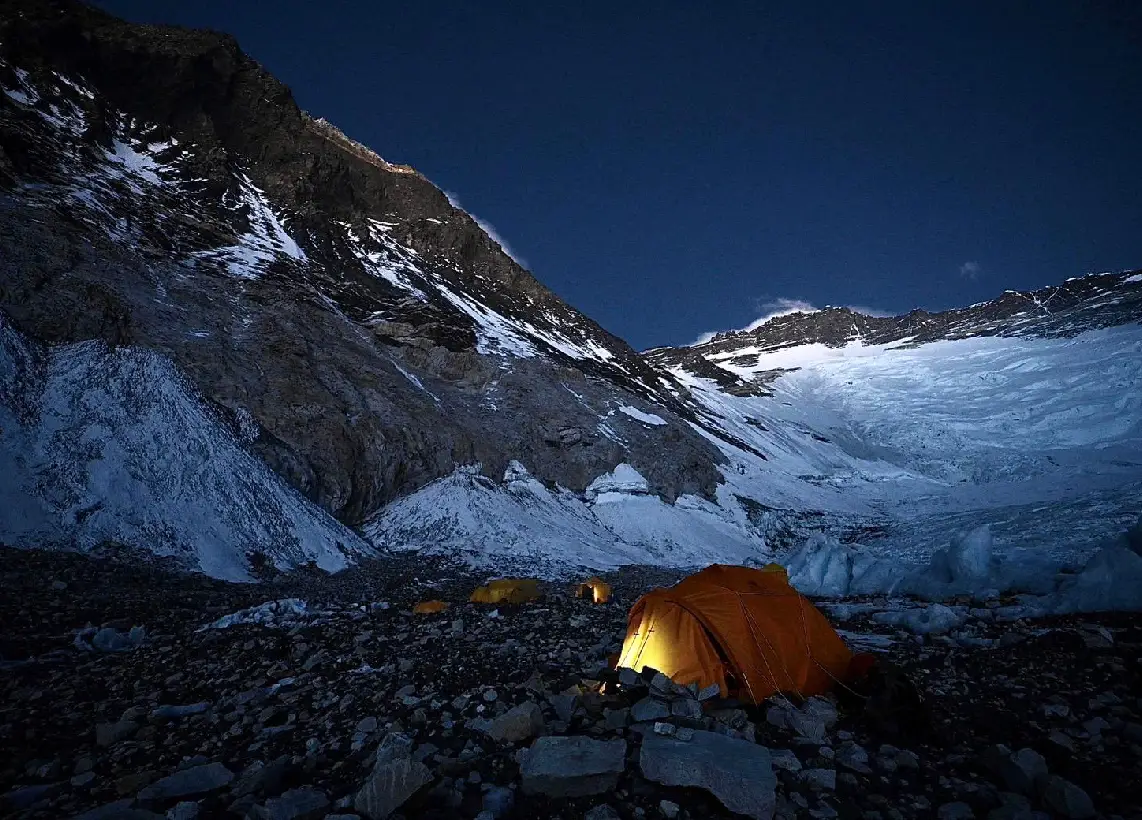
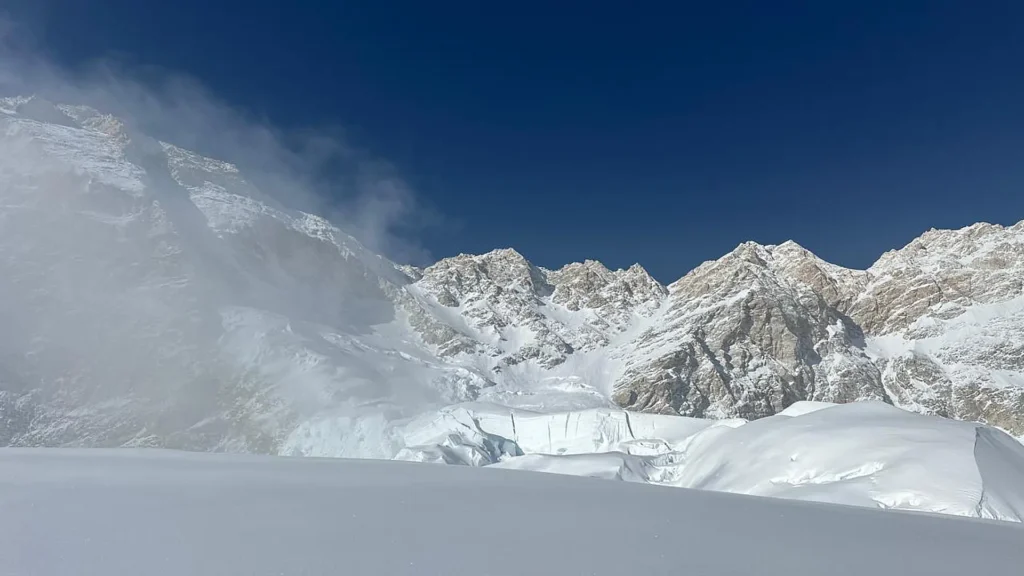
Camp II lies deep inside the Western Cwm, protected by the West Ridge and positioned directly below the massive Lhotse Face. This is the main acclimatization and operations camp, with individual sleeping tents along with full kitchen and dining tents. Conditions here are more stable, and climbers often spend the most time here (after Base Camp) preparing mentally and physically for the higher camps. The views of Lhotse from Camp II are immense and inspiring.
Camp III (≈7,100–7,300 m / 23,294–23,950 ft)
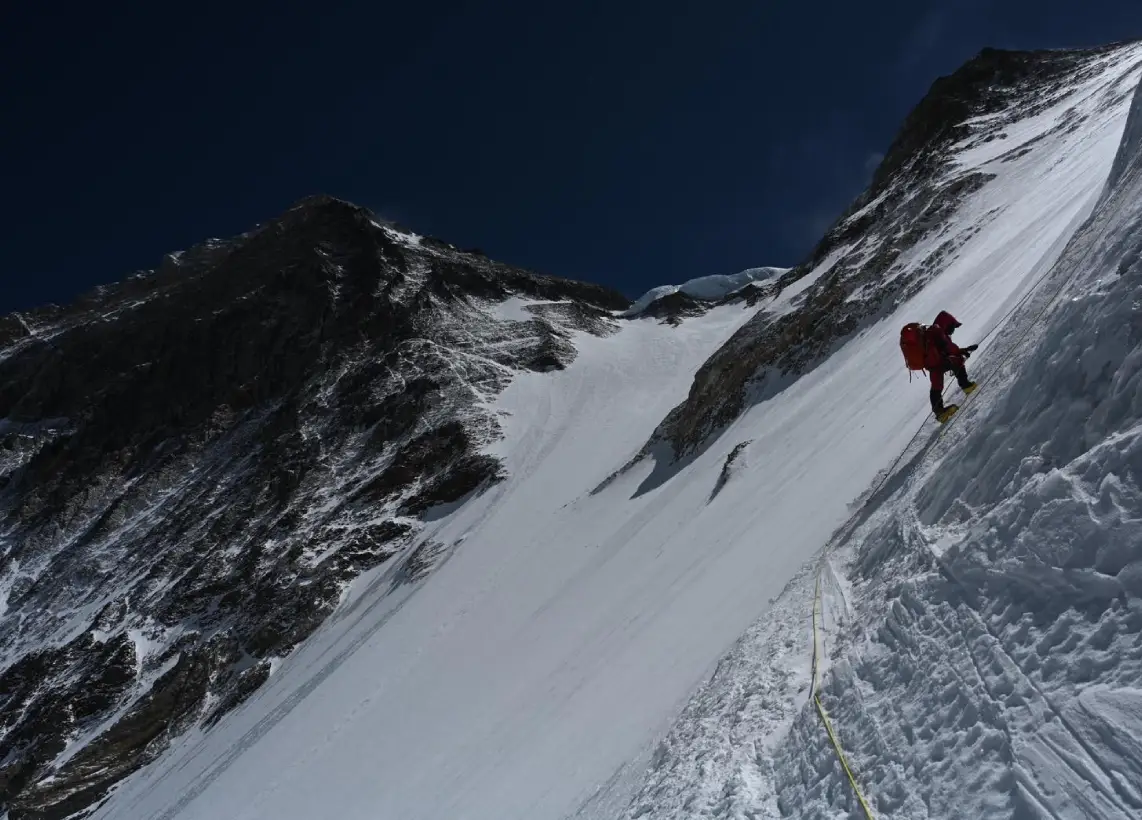
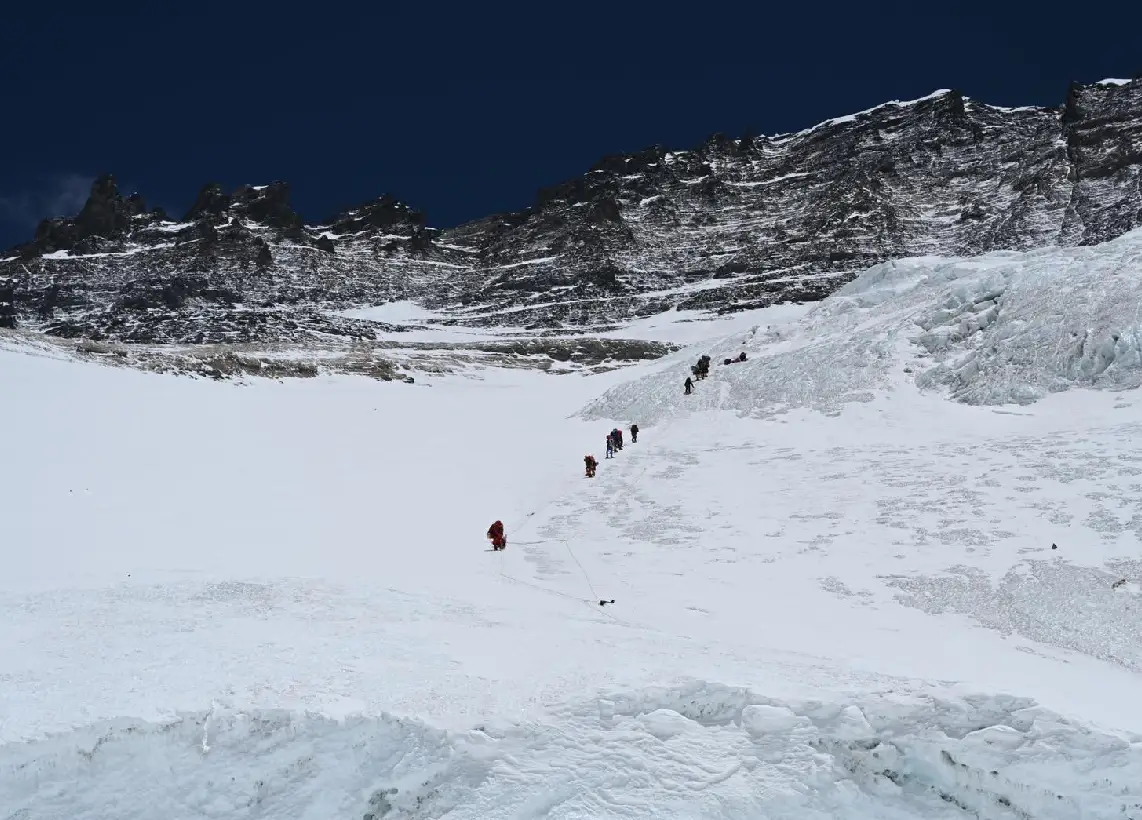
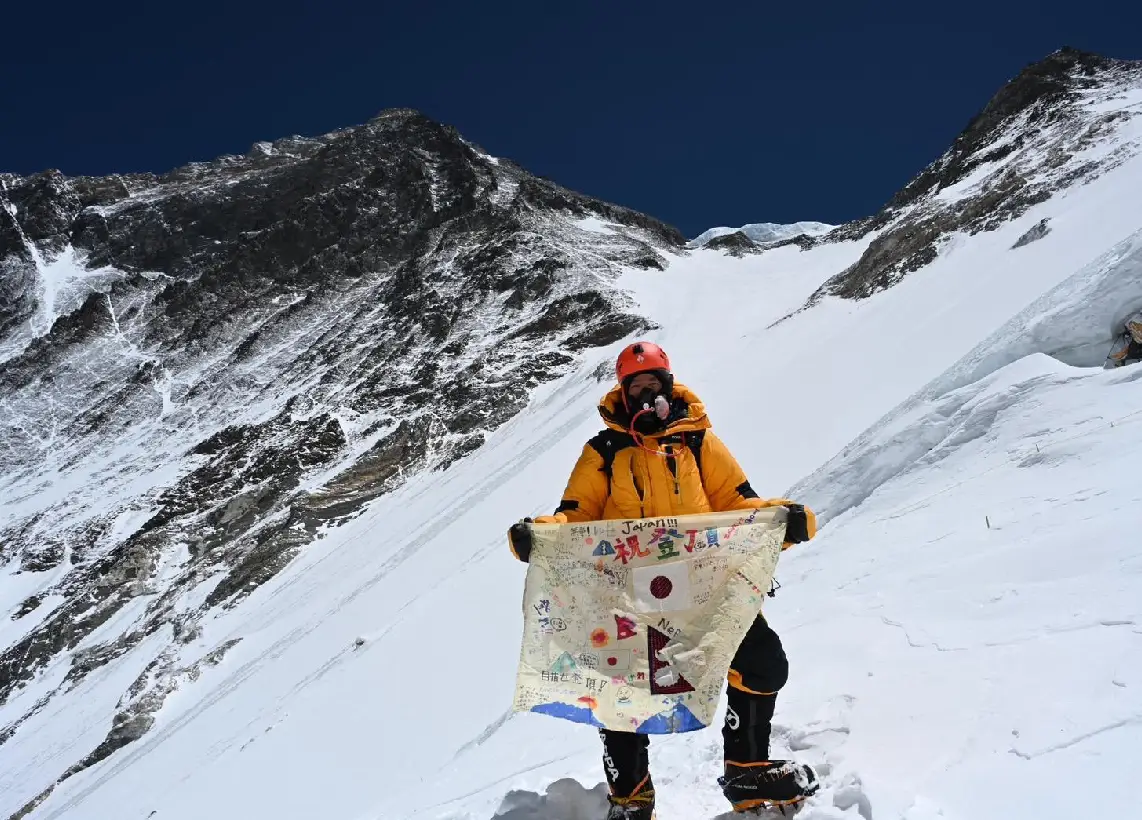
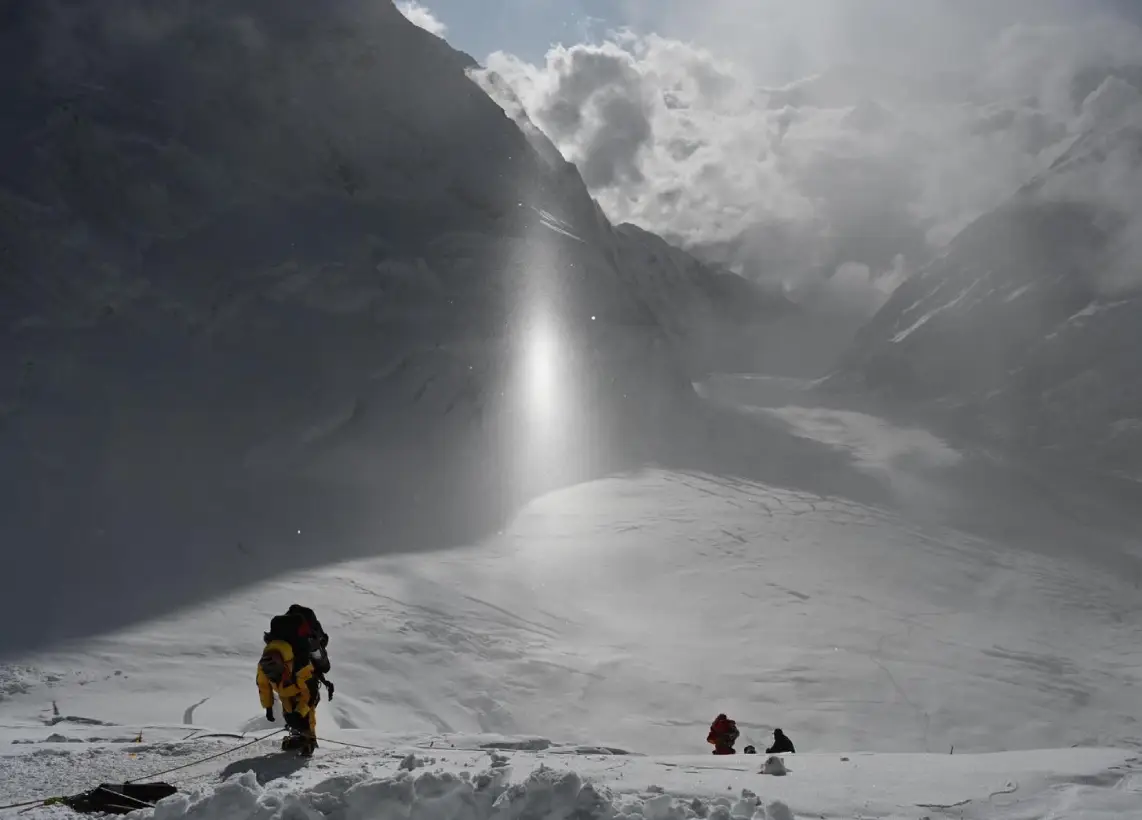
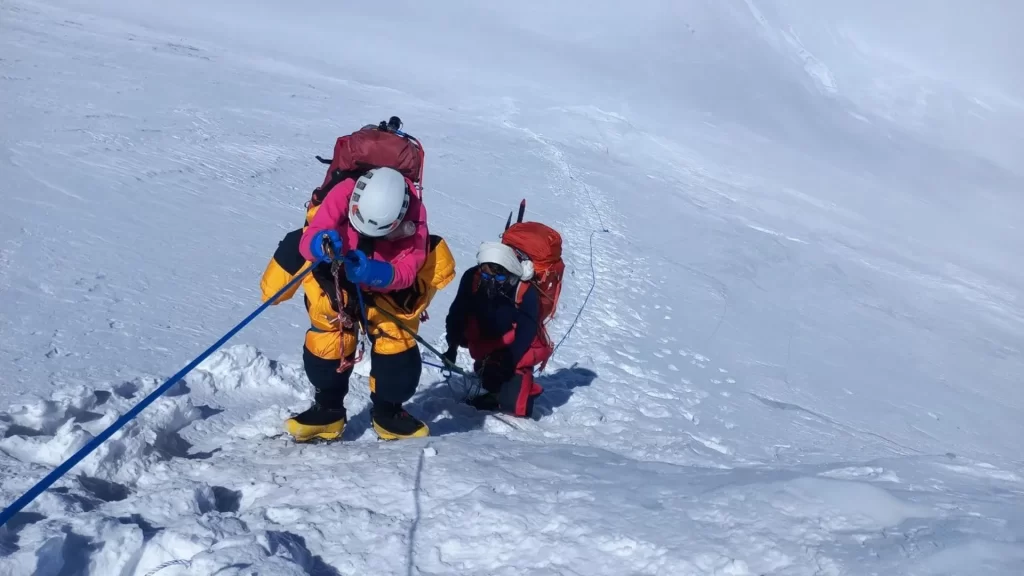
Camp III is anchored halfway up the steep, icy Lhotse Face, where fixed ropes guide climbers along 30–45° blue ice slopes. Oxygen levels here begin to feel dramatically lower, and every step is measured and deliberate. Camp III is reached to complete acclimatization before the summit push. Climbers usually spend a single night here, experiencing the true intensity of high-altitude mountaineering.
Camp IV – South Col (≈7,900–8,050 m / 25,918–26,345 ft)
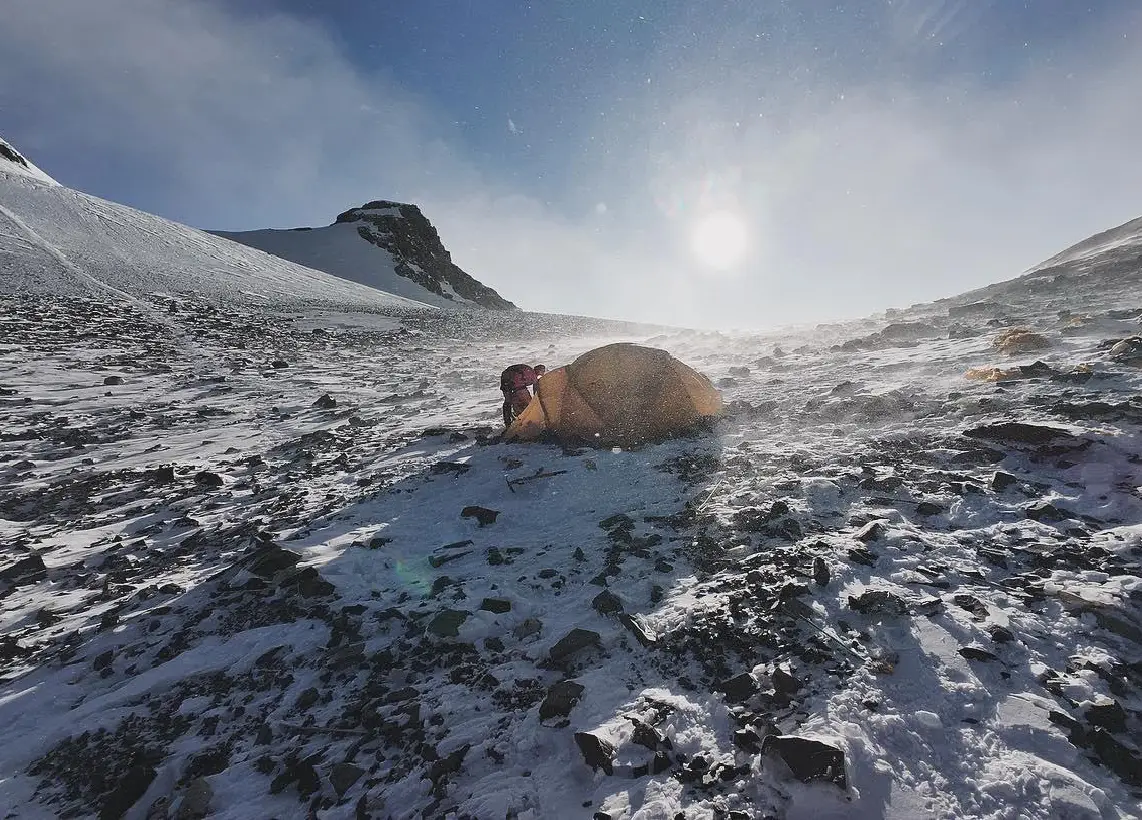
The South Col marks the gateway to the Death Zone, a barren, windswept plateau shared between Everest and Lhotse. From here, climbers rest briefly on supplemental oxygen before setting off on their summit attempt. Just before reaching Camp IV, climbers must ascend two famous rock features:
The Yellow Band — a band of metamorphic rock
The Geneva Spur — a prominent black rock ridge
Both sections are fixed with ropes during the climbing season, allowing safe passage to the Col.
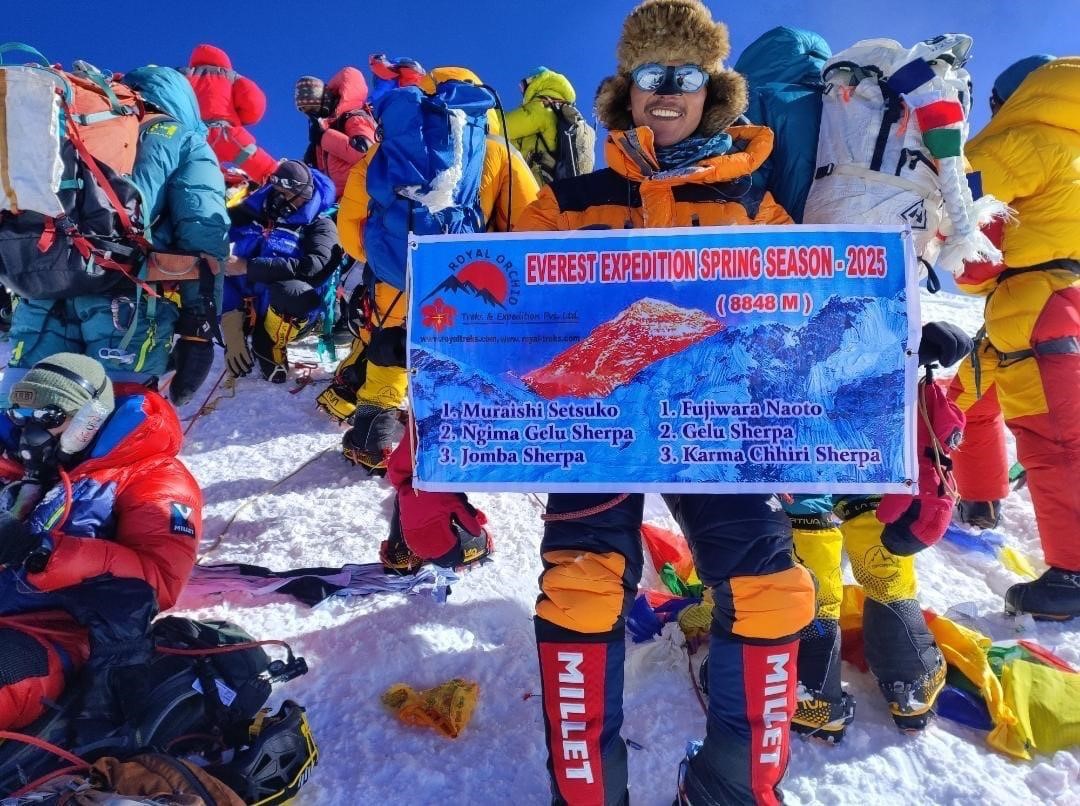
Summit (8,848.86 m / 29,032 ft)
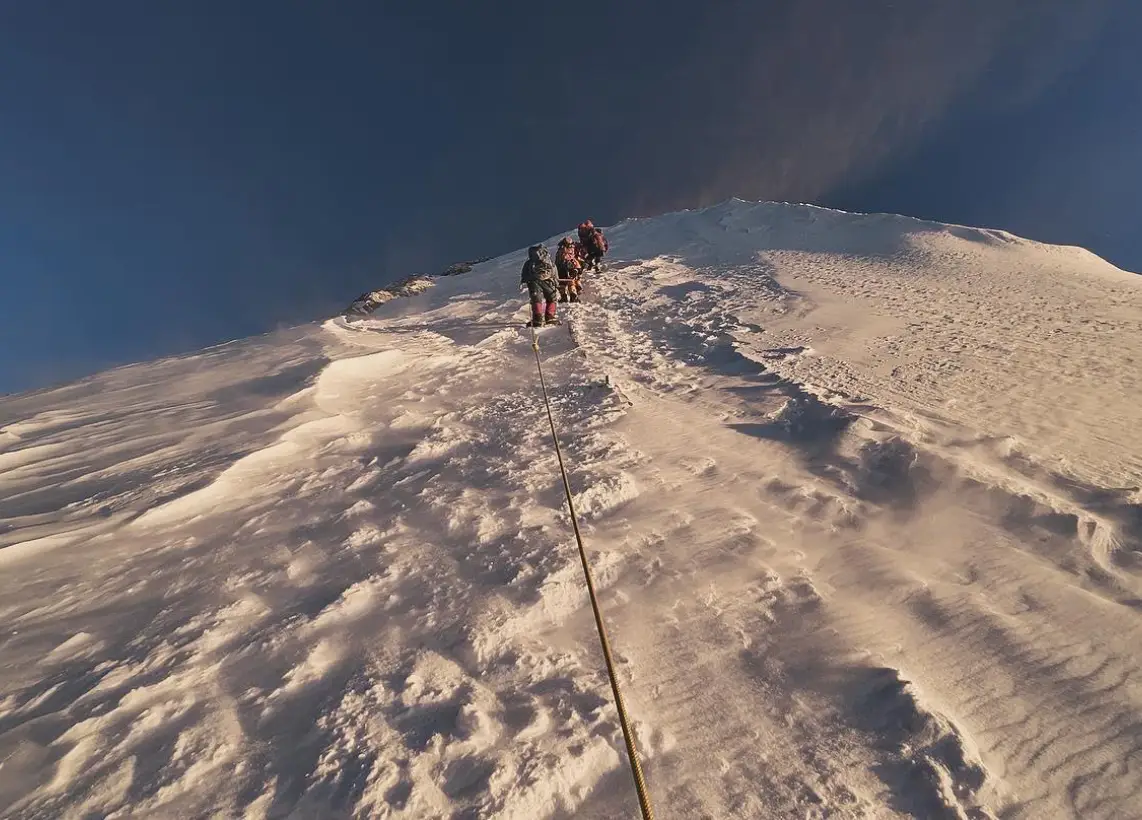
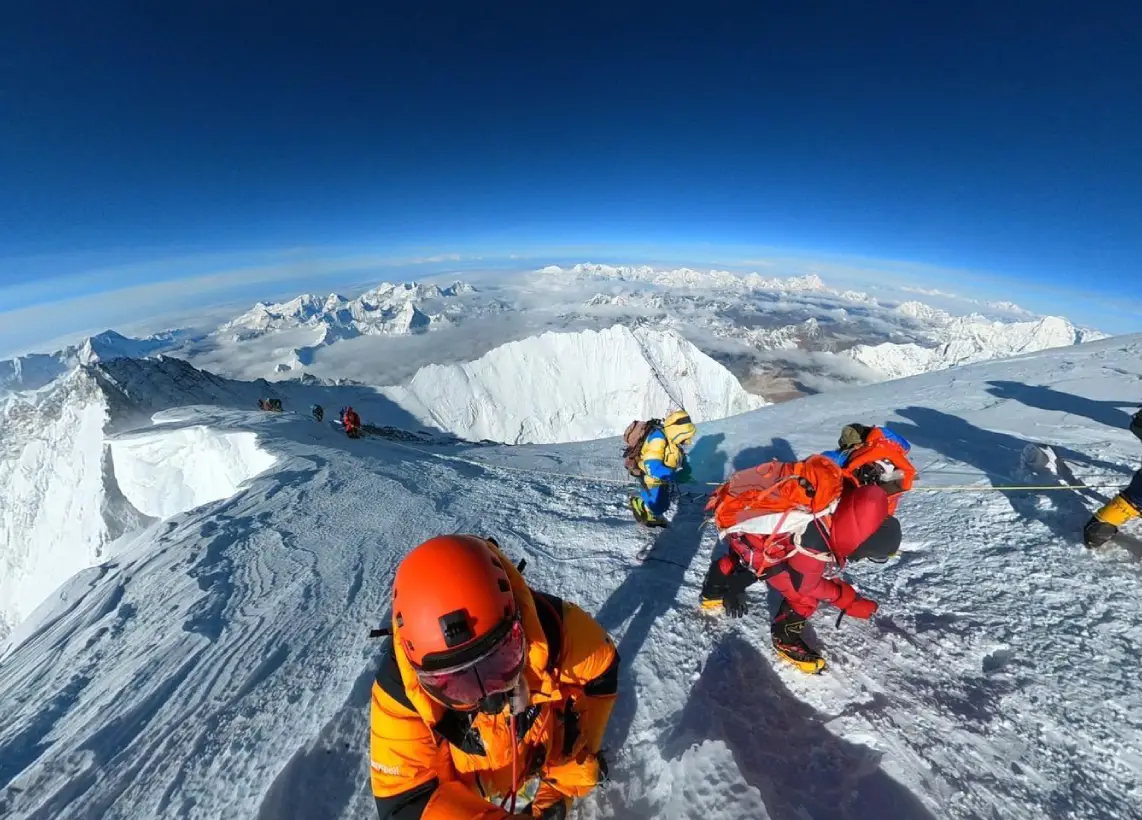
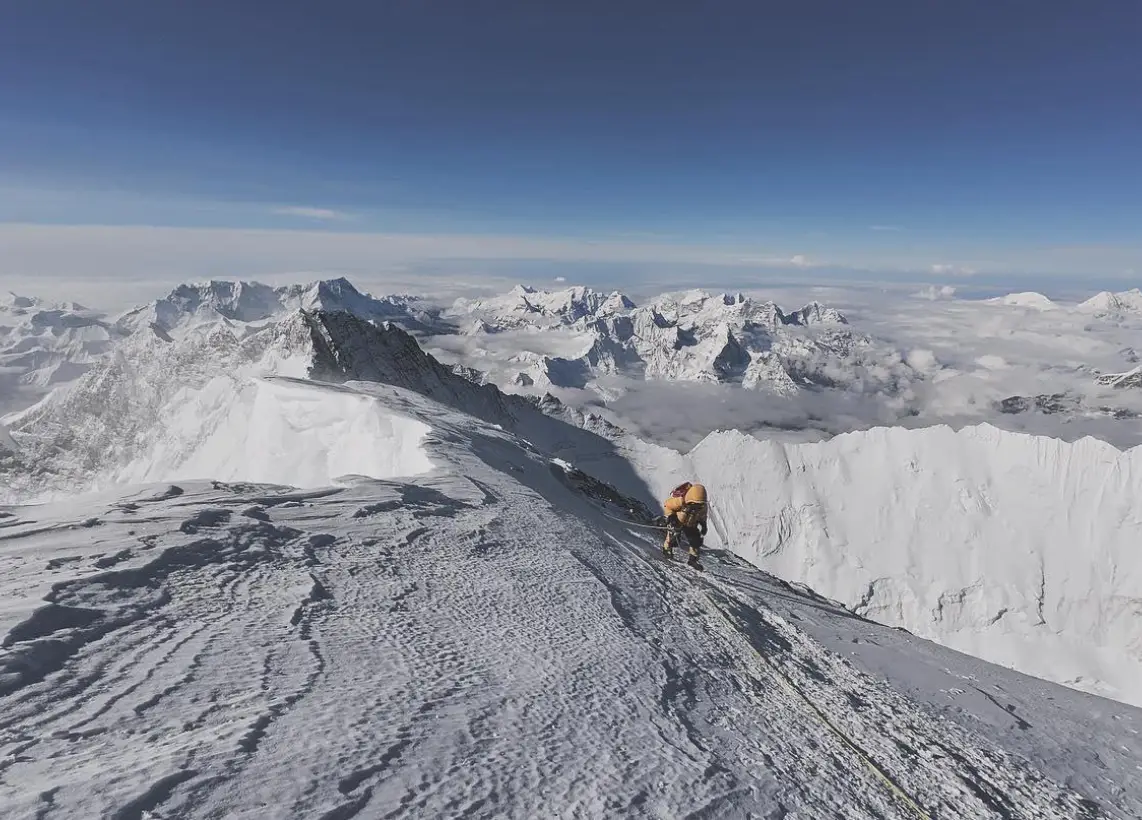
The summit push begins just before midnight and takes 9–13 hours. Climbers ascend past iconic points including the Balcony, the South Summit, and the Hillary Step area, before traversing a gentle final ridge to the true summit of Everest. Standing at the highest point on Earth, surrounded by a 360° panorama of the Himalayas, is a quiet and powerful moment — the culmination of endurance, teamwork, and the Sherpa spirit that guides every step.
Welcome to Nepal! Meet our Royal Orchid team at the airport and transfer to your hotel in the heart of Kathmandu. Enjoy time to rest or explore the lively streets of Thamel after your long journey.
Day 2 – Expedition Preparation & Briefing
Today you’ll attend an official climbing briefing, process permits, and complete a thorough gear check with your Sherpa guides. This is also the day to review logistics, safety protocols, and finalize last-minute preparations before heading into the mountains.
Day 3 – Fly to Lukla (2,840 m) & Trek to Phakding (2,800 m)
Take one of the world’s most scenic mountain flights to Lukla, the gateway to the Khumbu Valley. Begin your expedition with an easy trek along the Dudh Koshi River, passing prayer wheels, mani stones, and charming Sherpa villages before reaching Phakding.
Day 4 – Trek to Namche Bazaar (3,440 m)
Cross high suspension bridges and enter Sagarmatha National Park. A steady uphill climb brings you to Namche Bazaar — the vibrant trading hub of the Khumbu and your first real taste of Himalayan culture.
Day 5 – Acclimatization in Namche Bazaar
A vital rest day for altitude adjustment. Enjoy a short hike to Everest View Hotel or visit the Sherpa Museum for panoramic views and insight into local mountaineering history. The rest of the day is free to explore local cafés, markets, and bakeries.
Day 6 – Trek to Pangboche (3,985 m)
Begin with a gentle traverse toward Tengboche, home to the region’s most important monastery. After soaking up views of Everest, Lhotse, and Ama Dablam, descend through forests and open trails to Pangboche — the oldest Sherpa village in the Khumbu.
Day 7 – Trek to Dingboche (4,243 m)
Climb above the treeline into the high-alpine zone. The valley opens with breathtaking views of Ama Dablam’s sheer ridges and the massive walls of Lhotse and Nuptse. Overnight in the scenic farming village of Dingboche.
Day 8 – Trek to Lobuche (4,930 m)
Trek through glacial valleys and pass the memorials at Thukla honoring climbers who lost their lives in the Himalayas. Continue up the Khumbu Valley to reach Lobuche beneath towering ice peaks.
Day 9 – Trek to Everest Base Camp (5,364 m)
Follow the Khumbu Glacier on rugged moraine trails until you reach the legendary Everest Base Camp — your home for the coming weeks of acclimatization and climbing.
Days 10–30 – Rotation Climbs (Base Camp ↔ Camps I–III)
Undertake multiple acclimatization rotations through the Khumbu Icefall to Camps I, II, and III. These climbs strengthen endurance, build altitude adaptation, and prepare you for the final push. Between rotations, enjoy rest days at Base Camp with nourishing meals and recovery time.
Days 31–46 – Summit Push (Base Camp → Camp IV → Summit → Base Camp)
When the weather window opens, begin the final ascent through the Western Cwm, up the Lhotse Face to Camp III, then onward to Camp IV at the South Col. Around midnight, launch your summit bid, climbing via the Balcony, South Summit, and the Hillary Step to reach the highest point on Earth — the summit of Mount Everest (8,848.86 m). Descend safely to the South Col and back to Base Camp.
Day 47 – Base Camp Cleanup
A dedicated rest and environmental responsibility day. Sort equipment, clean Base Camp, and contribute to the “Leave No Trace” effort to preserve the Khumbu region.
Day 48 – Trek to Pheriche (4,371 m)
Descend through the glacier valley and return to lower altitude, reaching Pheriche, home to the Himalayan Rescue Association. The warmer air and comfortable lodges make recovery easier.
Day 49 – Trek to Namche Bazaar
Continue through familiar Sherpa villages, scenic river crossings, and forested trails until you arrive back in Namche for a well-earned meal and celebration.
Day 50 – Trek to Lukla
Your final trekking day. Follow the Dudh Koshi River back to Lukla, where you’ll enjoy a farewell dinner with your Sherpa team and celebrate your Everest journey.
Day 51 – Fly to Kathmandu
Take a morning flight back to Kathmandu and transfer to your hotel. Enjoy a long shower, a comfortable bed, and the relief of returning to city comforts.
Day 52 – Leisure Day in Kathmandu
A full free day for sightseeing, shopping, spa recovery, or simply resting. Visit UNESCO heritage sites or enjoy a relaxed evening in the city. Farewell dinner included.
Day 53 – Departure Day
Your Everest journey ends today. Transfer to Tribhuvan International Airport for your onward flight. Congratulations on completing the Everest Expedition with Royal Orchid Treks & Expedition.
Why Royal Orchid Trek for Everest Expedition – South Col Route
1. A Sherpa Family With Generations of Mountain Experience
Our company is built on Sherpa heritage. The mountains are our home, and guiding is part of our identity. When you climb with us, you join a family that has lived, worked, and walked these trails for generations. We carry both the knowledge of our ancestors and the professionalism of modern mountaineering.
2. Safety First — Always
Your safety is at the heart of every decision we make.
From experienced climbing Sherpas to reliable weather updates, medical protocols, and strict acclimatization schedules, we guide you with caution, respect, and steady care. No shortcuts — only responsible, ethical mountaineering.
3. Hand-Picked Sherpa Climbing Team
Our Sherpas are among the most skilled high-altitude climbers in Nepal, many with multiple Everest and 8000m summits. Their calm leadership, technical expertise, and genuine kindness create a supportive environment throughout the expedition.
4. Transparent, Fair, and Honest Service
We believe trust comes from honesty. No hidden fees. No exaggerated claims. No marketing tricks. Just real service from real people who take pride in their work.
5. Personalized Support From Day One
From planning your gear to preparing your fitness, travel, and acclimatization, we guide you step-by-step. Whether you’re a first-time Himalayan climber or a seasoned mountaineer, we tailor the journey to your pace and comfort.
6. High-Quality Logistics & Comfortable Base Camp
Our Base Camp is equipped with warm dining tents, comfortable sleeping tents, nutritious meals, and reliable communication systems. Every detail — from oxygen bottles to climbing equipment — is chosen for safety and performance.
7. Small, Respectful Teams
We keep our groups small so we can focus on each climber’s well-being. This allows us to maintain better safety standards, reduce environmental impact, and ensure a more meaningful expedition experience.
8. Ethical & Responsible Mountain Practices
Being from the mountains, we respect them deeply. We follow Leave No Trace principles, support local communities, and ensure fair wages and proper insurance for all staff.
9. Guided With Heart, Not Just Technique
We guide not only with skill, but with hospitality, patience, and the genuine warmth Sherpas are known for. Our goal is not just to help you reach the summit — but to make you feel cared for every step of the way.
Include & Excludes
Include
4 nights’ hotel in Kathmandu with breakfast
All transportation, including round-trip flights Kathmandu ↔ Lukla and private vehicle transfers
All required permits: Everest Royalty Fee, Sagarmatha National Park Permit, Pasang Lhamu Municipality Fee, Khumbu Icefall Fee (SPCC)
Three meals per day during trek and climb with tea and coffee
Individual tent at Base Camp plus kitchen, dining, shower & toilet tents
Shared tents in high camps (C1–C5) with EPI gas and burners
One professional Climbing Sherpa per member
Luggage transport by porters and yaks (including excess baggage)
Fresh, hygienic meals and kitchen equipment throughout the expedition
Sleeping bag, mattress, and essential camping gear
Oxygen cylinders with regulator plus back-up supply
Ropes, carabiners, and safety hardware for climbing
Solar or generator power for lighting and charging at Base Camp
Insurance for all Nepalese staff and porters
Liaison Officer support, experienced Base Camp cook and crew
Regular weather forecasts
Walkie-talkies and emergency satellite phone access
All administrative documentation and government paperwork
Official Everest Summit Certificate and commemorative souvenir
Exclude
International airfare to/from Nepal and airport taxes
Nepal entry visa (USD 125 for 90 days)
Personal travel and mountaineering insurance with medical & evacuation coverage (mandatory)
Personal climbing gear (boots, down suit, helmet, harness, headlamp, etc.)
Personal expenses (laundry, Wi-Fi, drinks, snacks, souvenirs)
Emergency evacuation or early return costs
Sherpa summit bonus (min. USD 1,800) and staff tips (USD 300 for camp staff + USD 100 for porters)
Entrance fees for temples and museums
Extra nights in Kathmandu due to early arrival, delays, or flight cancellations