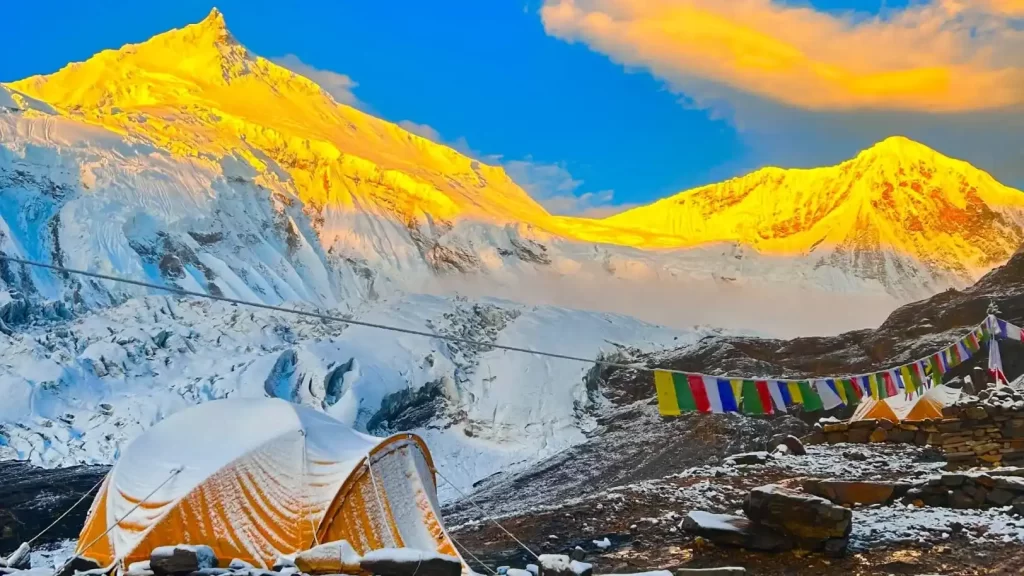
Rising to 8,091 m (26,545 ft), Mt. Annapurna I is the 10th-highest mountain in the world and one of Nepal’s most formidable 8,000-meter peaks. Located in the north-central Himalaya, this mighty summit forms the centerpiece of the Annapurna Massif and was the first 8,000-meter mountain ever climbed—a historic feat accomplished by Maurice Herzog and Louis Lachenal on June 3, 1950.
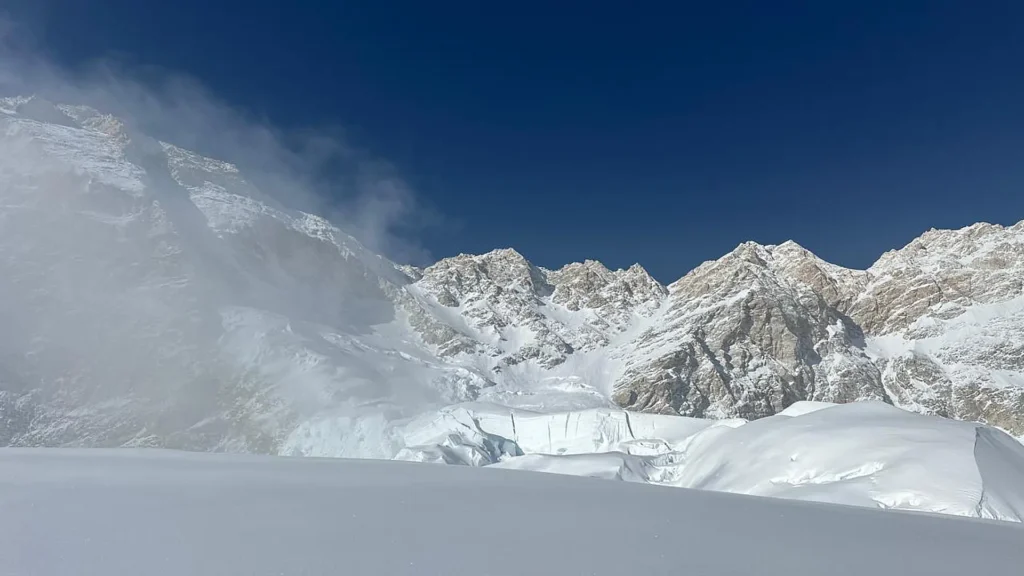
Annapurna I is renowned among mountaineers for its technical difficulty and high objective risk, with steep faces, shifting glaciers, and unpredictable avalanches. The North Face Route, the standard climbing route, is considered one of the most challenging yet rewarding expeditions in the Himalayas. The massif also includes notable peaks such as Annapurna II (7,937 m), Annapurna III (7,555 m), Annapurna IV (7,525 m), and Annapurna South (7,219 m), making the area a stunning mountaineering destination.
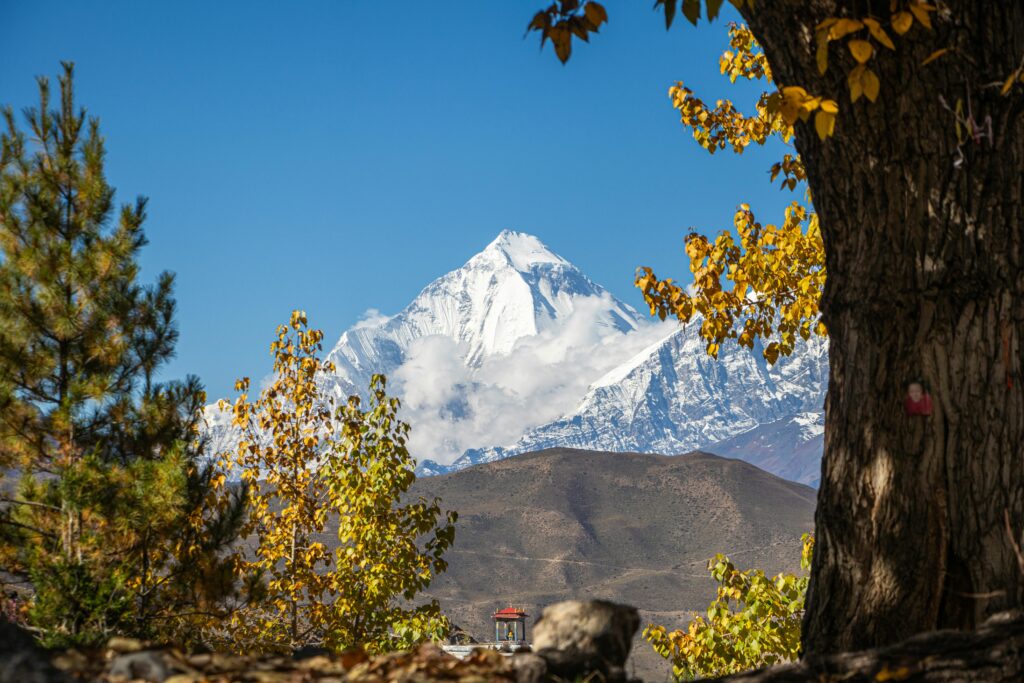
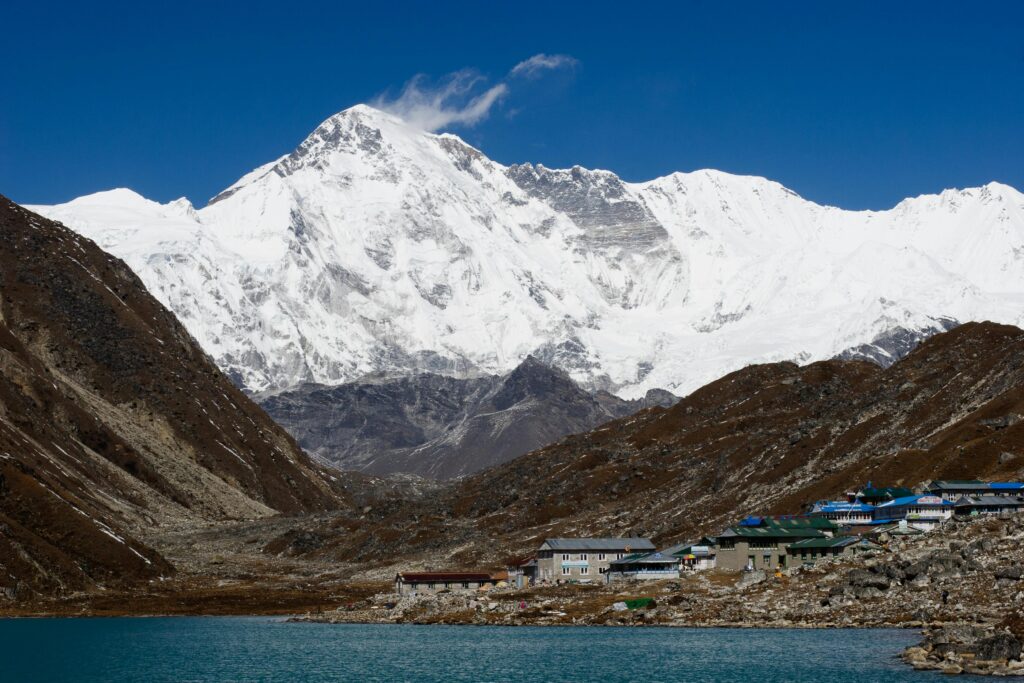
Climbing Annapurna I Expedition is more than a climb—it’s a test of endurance, skill, and spirit. The expedition demands prior high-altitude experience (ideally above 6,000 m), technical competence on mixed terrain, and strong teamwork. The reward is the extraordinary experience of standing atop one of the world’s most dangerous yet awe-inspiring mountains, with panoramic views of the Annapurna, Dhaulagiri, and Mansiri ranges.
With Royal Orchid Treks & Expedition, every stage—from Kathmandu to the summit—is planned with precision and care. Our team of highly experienced Sherpa guides, comprehensive logistics, and safety-first strategy ensure that climbers can focus on performance and acclimatization while we manage the rest. This expedition is ideal for serious mountaineers seeking a guided Annapurna climb in Nepal that combines adventure, challenge, and excellence.
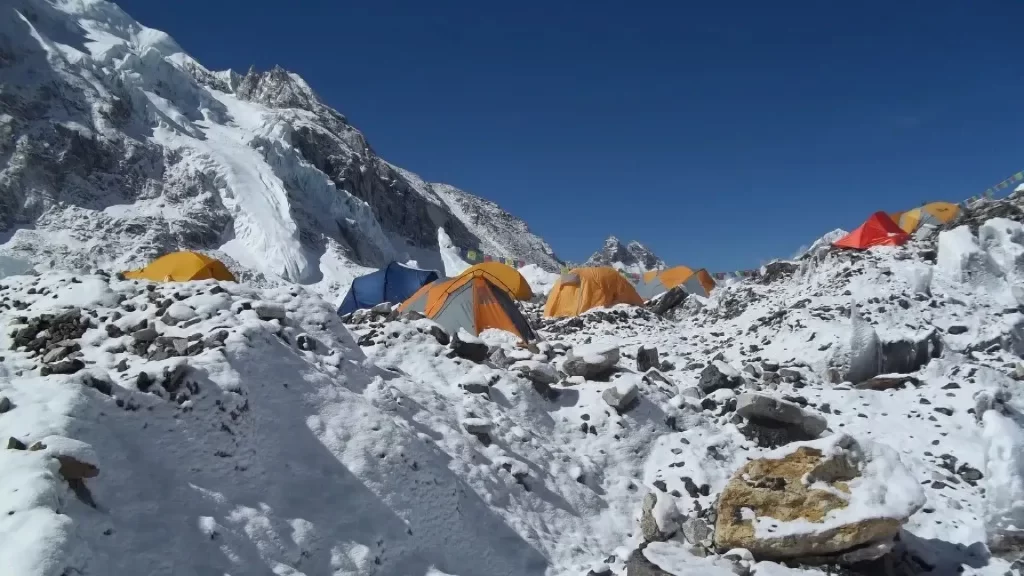
Annapurna Base Camp sits on a stable moraine plateau directly beneath the North Face. The camp features personal tents, a heated dining dome, kitchen setup, and hot drinks available throughout the day. This is your operational hub for acclimatization hikes, gear preparation, and the Puja ceremony—a traditional blessing for safety before entering the higher mountain.
Camp I (5,150 m / 16,896 ft)
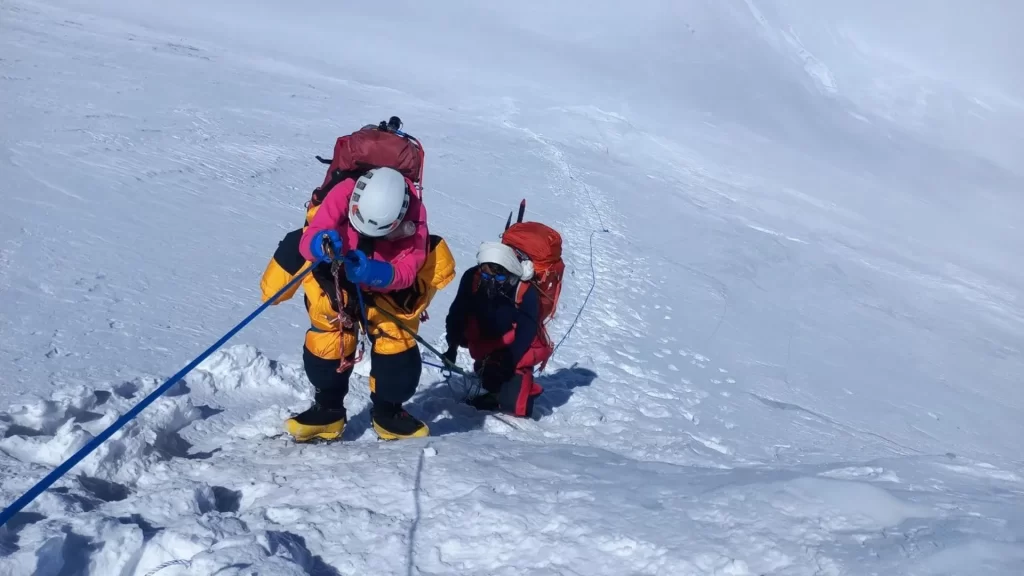
Reached in about four hours from Base Camp, the route climbs through rocky ridges and glacier debris before transitioning onto a gentle 25° snow slope. Camp I is positioned safely away from avalanche paths and is secured with fixed ropes installed by Sherpa guides for efficient movement.
Camp II (5,700 m / 18,700 ft)
The ascent to Camp II is technical and demanding, taking roughly 4–5 hours. This section includes steep blue ice ranging from 45° to 60° and a 60-meter rock band that forms the crux of the entire route. Rope management, balance, and steady climbing are essential here. Camp II sits on a compact platform carved into the upper glacier.
Camp III (6,500 m / 21,325 ft)
A long climb of 5–6 hours leads to Camp III over exposed glacier sections and sustained 50–55° snow slopes. Winds are stronger here, temperatures drop significantly, and the climb requires excellent acclimatization. This camp is used as the final staging point for building altitude tolerance before the summit phase.
Camp IV (7,100–7,200 m / 23,294 ft)
Camp IV sits high on a windswept plateau above serac barriers and crevasse zones. Reaching it takes around 3–4 hours from Camp III. The air is noticeably thin, and climbing conditions become serious, with hidden snow bridges and avalanche-prone sections marking this demanding stage before the summit push.
Summit (8,091 m / 26,545 ft)
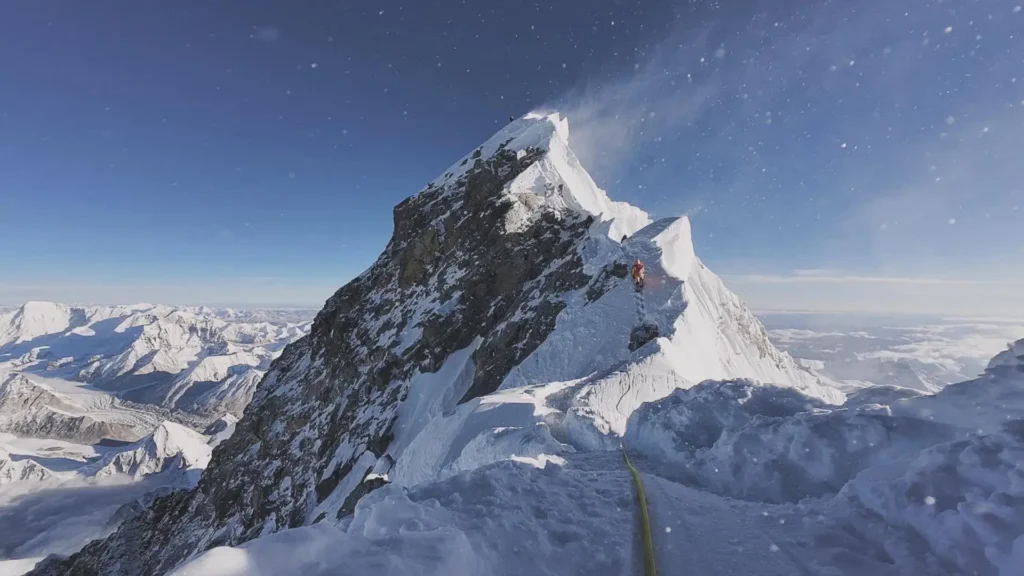
The summit bid begins around midnight for a 14–17-hour round trip. Climbers ascend steep snow headwalls, navigate a false summit, and carefully follow a narrow, exposed ridge to reach the true summit of Annapurna I. Nearly 900 meters of fixed rope assist climbers above Camp IV. From the top, the reward is one of the most dramatic panoramas in the Himalayas, with Dhaulagiri, Nilgiri, and the Annapurna range unfolding beneath your feet.
Why Climb Annapurna I with Royal Orchid Treks & Expedition
Expert Sherpa guides with decades of high-altitude and 8,000 m experience
1:1 Sherpa-to-client ratio for maximum safety and support
Comprehensive expedition logistics, including all permits, transportation, and equipment transport
Safety-first operation with fixed ropes, oxygen backup, and daily weather forecasts
Modern Base Camp facilities with dining tent, hot showers, and nutritious meals
Helicopter support available for emergencies or transfers (extra cost)
Traditional Puja ceremony before the climb for safe passage
Reliable satellite communication and live weather updates
Small team size ensuring personalized guidance and higher success rates
Arrive in Kathmandu and meet our Royal Orchid team. Transfer to your hotel and rest after your international journey. Accommodation: Hotel
Day 2 – Expedition Briefing & Preparation
Attend the government briefing, review permits, and complete a detailed equipment check with your Sherpa guides. Accommodation: Hotel
Day 3 – Fly Kathmandu → Pokhara (820 m)
A scenic flight along the Himalayas brings you to Pokhara. Spend the afternoon preparing for the drive into the mountains. Accommodation: Hotel
Day 4 – Drive Pokhara → Beni → Tatopani (1,190 m)
Continue westward through the Kali Gandaki Valley, passing warm, terraced villages and deep river gorges. Accommodation: Lodge
Day 5 – Drive Tatopani → Lete (2,480 m)
The road gradually climbs through forests and small settlements, offering glimpses of Annapurna and Dhaulagiri along the way. Accommodation: Lodge
Day 6 – Drive Lete → Hum Khola (~2,900 m)
Travel on a rugged off-road track following the Myagdi Khola river toward the remote northern valleys beneath Annapurna I. Accommodation: Camping
Day 7 – Trek Hum Khola → Annapurna I Base Camp (4,200 m)
Begin the expedition trek with a demanding ascent along rocky gorges, glacial debris, and narrow valleys. The final stretch climbs onto moraines before reaching Annapurna Base Camp, directly below the North Face. Accommodation: Tent
Days 8–11 – Base Camp Setup & Acclimatization
Spend several days organizing loads, settling into camp, and performing acclimatization hikes. Sherpa guides conduct the Puja ceremony, bless the climb, and prepare equipment for higher camps. These days allow the entire team to adjust to altitude before moving up the route. Accommodation: Tent
Days 12–34 – Climbing Rotation (Camp I, II, III)
Begin structured rotations to higher camps. The ascent to Camp I involves glacier travel and crevasse zones. Camp II rises along steeper snow and ice slopes beneath the serac bands of the North Face. Camp III sits high at around 6,600 meters, reached through exposed 40–50° snow and ice.
Each rotation involves climbing higher, sleeping at altitude, and descending to Base Camp to recover. During this period, the route is fixed, oxygen is staged, and climbers gradually prepare physically and mentally for the summit push. Accommodation: Tent
Days 35–40 – Summit Window (Camp III / IV → Summit 8,091 m)
Once weather conditions stabilize, the summit phase begins. Climbers move up through Camps I, II, and III before establishing or occupying Camp IV at approximately 7,200 meters. A late-night departure leads up the steep upper slopes and the exposed summit ridge.
Reaching the summit of Annapurna I offers a rare and dramatic panorama of the entire Annapurna and Dhaulagiri ranges. After the summit, descend safely to Camp III and eventually return to Base Camp. Accommodation: Tent
Day 41 – Base Camp Clean-Up & Preparation for Return
A dedicated day for restoring the environment, dismantling camp, packing loads, and preparing for the trek out. Accommodation: Tent
Day 42 – Trek Base Camp → Hum Khola
Retrace the route down the valley and return directly to Hum Khola, where the trail meets the road access point. Accommodation: Camping
Day 43 – Drive Hum Khola → Tatopani
Begin the long overland journey back through the Myagdi valley to warmer climates. Accommodation: Lodge
Day 44 – Drive Tatopani → Pokhara
Return to Pokhara, where hot showers, comfortable beds, and lakeside relaxation await. Accommodation: Hotel
Day 45 – Fly Pokhara → Kathmandu
A short flight returns you to the capital for post-expedition rest. Accommodation: Hotel
Day 46 – Leisure Day in Kathmandu
Enjoy a well-deserved recovery day. Explore the city, visit heritage sites, or relax at your hotel. Accommodation: Hotel
Day 47 – Final Departure
Transfer to Tribhuvan International Airport for your onward flight. Meals: Breakfast
Why Royal Orchid Trek for Mt. Annapurna I Expedition – North Face
1. Expert Sherpa Guides With Annapurna I Experience
Our veteran, government-licensed Sherpa climbers have extensive experience on Annapurna I, Dhaulagiri, Manaslu, and other 8,000-meter peaks. Their deep knowledge of the North Face terrain, avalanche zones, and weather patterns ensures a safer and more informed ascent.
2. Complete, Professional Expedition Logistics
We manage every detail of your Annapurna expedition in Nepal, including permits, transportation, high-altitude tents, oxygen systems, load ferrying, and route support. From Kathmandu to Base Camp and the summit push, your expedition is handled with seamless coordination.
3. Premium Base Camp Setup for Maximum Comfort
Enjoy a fully equipped Annapurna Base Camp with personal sleeping tents, heated dining dome, kitchen, communication systems, and fresh, hygienic meals. Our focus on comfort helps climbers recover faster and maintain strength for rotations and summit day.
We follow a scientifically structured acclimatization plan designed specifically for high-altitude climbing on Annapurna I. Real-time weather forecasting, fixed rope safety, radio communication between camps, and medical support at Base Camp ensure you climb with confidence and clarity.
5. Small, Personalized Teams for Better Success Rates
Our small team size allows individualized attention, flexible summit planning, and better coordination during technical sections. This personal approach is one of the reasons climbers choose Royal Orchid for challenging Himalayan expeditions.
Royal Orchid Treks & Expedition blends top-tier professionalism with authentic Sherpa hospitality. Our climbers consistently highlight the kindness, support, and positivity of our team—making even the toughest days on Annapurna feel supported and meaningful.
Include & Excludes
Include
4 nights hotel accommodation in Kathmandu with breakfast
All domestic flights and ground transport in private vehicles
Climbing permits, Annapurna Conservation Area Permit (ACAP), and expedition royalties
All meals (breakfast, lunch, dinner, tea & coffee) during trek and expedition
Fully equipped Base Camp setup – personal tents, dining, kitchen, toilet, and shower tents
High-altitude tents at Camps I–IV
One professional Climbing Sherpa per climber
Porters / yaks for gear and load transport
Fixed ropes, anchors, carabiners, and climbing hardware
Oxygen bottles, mask, and regulator (if required)
Comprehensive insurance for all Nepali staff and porters
Weather forecasts and satellite communication access
Summit certificate and Royal Orchid expedition souvenir
Exclude
International flights to/from Nepal
Nepal entry visa fees
Personal travel and rescue insurance (mandatory)
Personal climbing gear and clothing
Personal expenses (laundry, Wi-Fi, snacks, beverages, souvenirs)
Helicopter evacuation or early return costs
Sherpa summit bonuses and crew tips
Alcoholic and bottled drinks
Sightseeing entrance fees in Kathmandu
Extra hotel nights due to delays, cancellations, or personal reasons