Cho Oyu Expedition – Northwest Face / Northern Ridge

Cho Oyu Expedition Overview

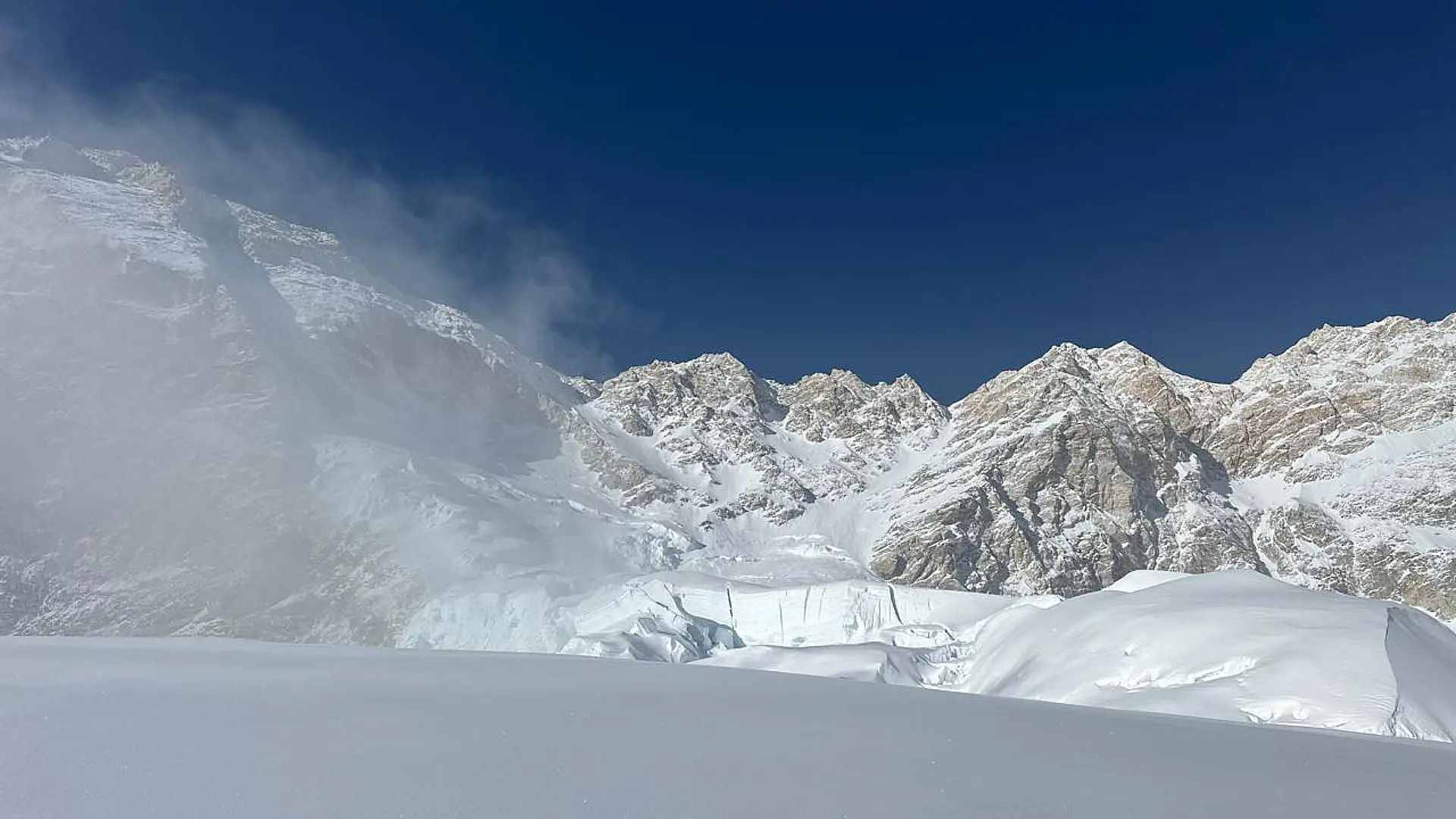
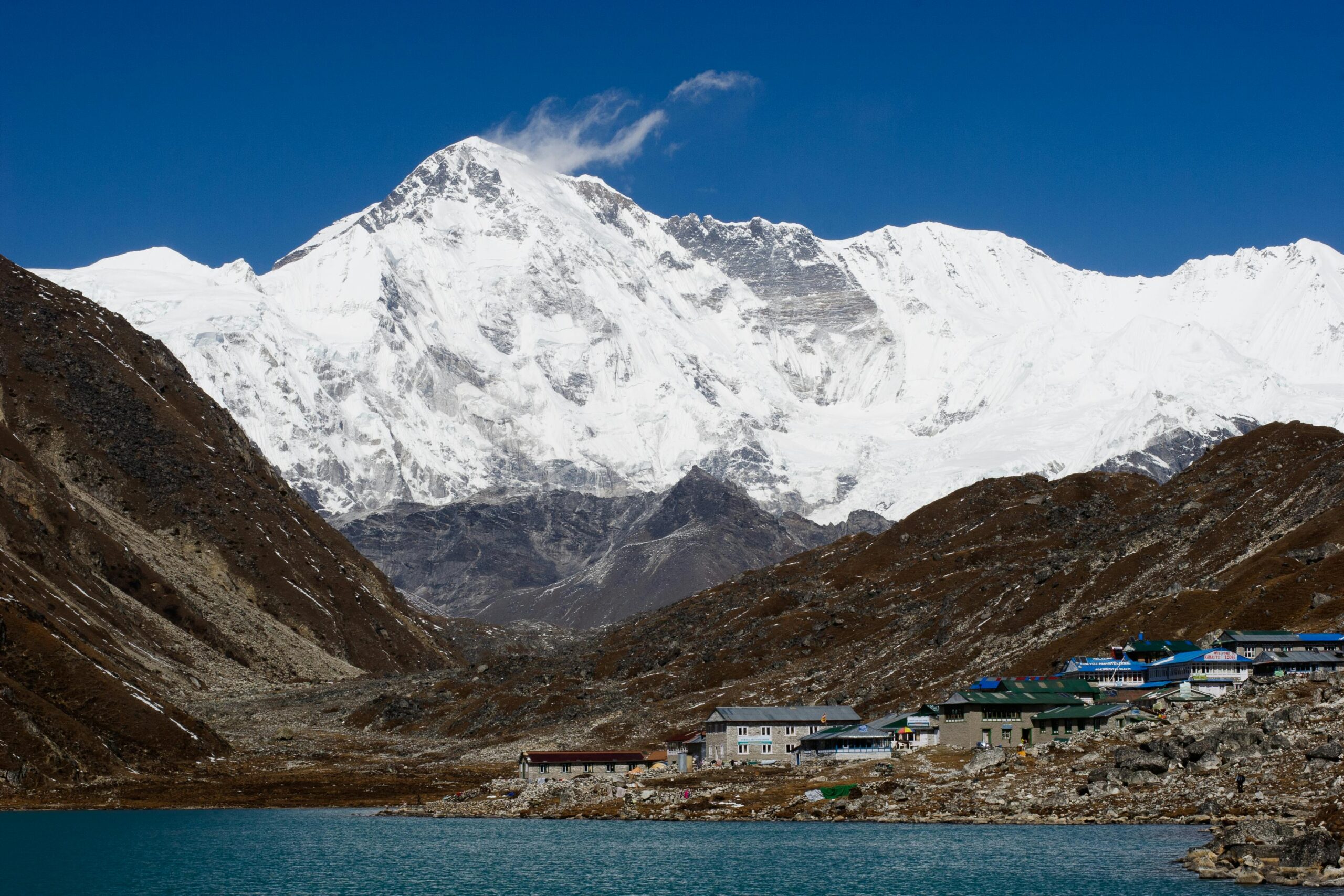
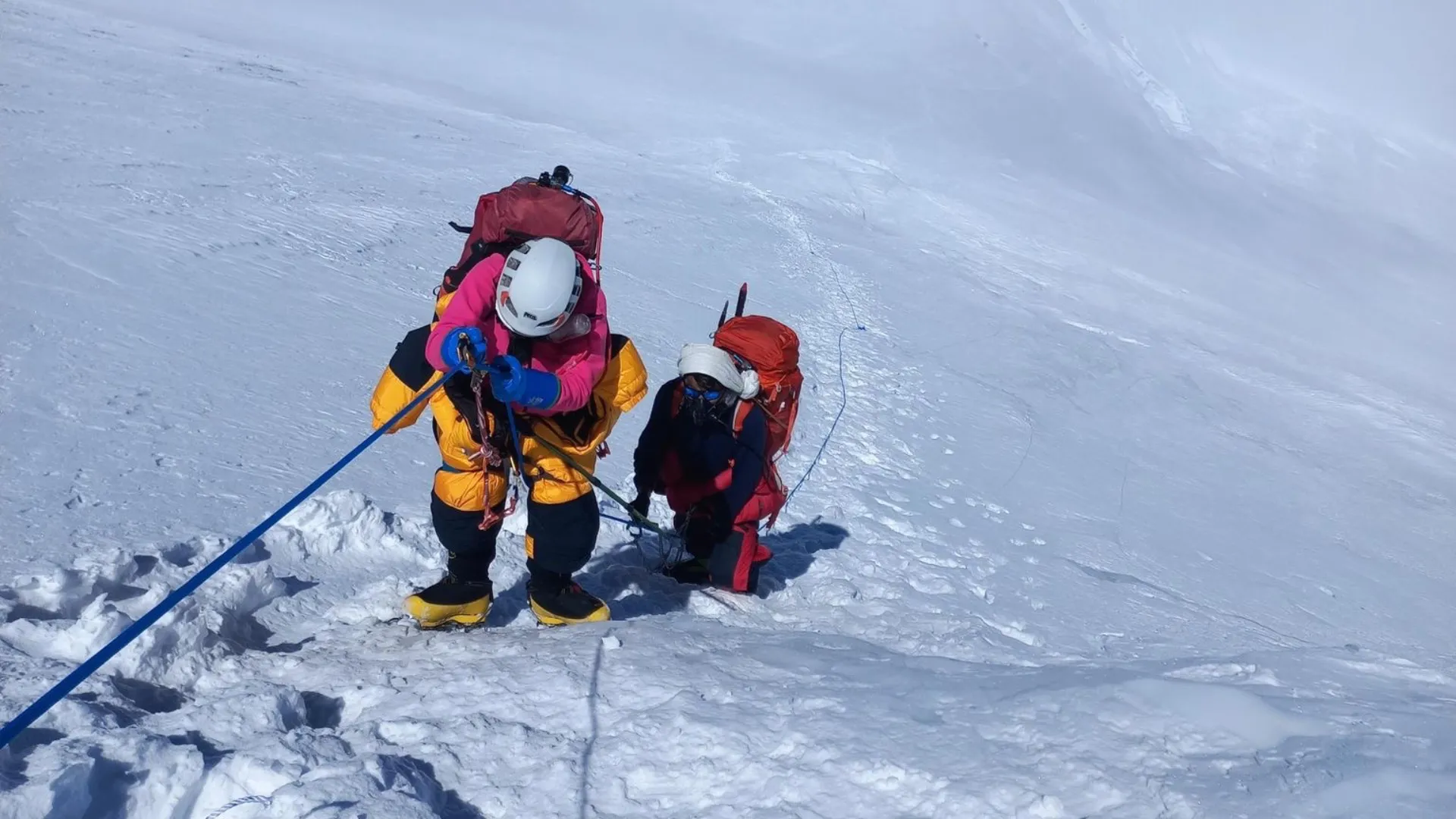
Embark on the Cho Oyu Expedition (8,201 m) with Royal Orchid Treks & Expedition, a professional climb to the sixth-highest mountain in the world — the perfect 8,000-meter peak for mountaineers seeking technical challenge with manageable exposure.

Located in the Khumbu Himal region along the Nepal–Tibet border, Cho Oyu — meaning “Goddess of Turquoise” — is admired for its striking color at sunset and for being among the most attainable of the world’s 8,000-meter peaks. First climbed in 1954 by Herbert Tichy, Joseph Jöchler, and Sherpa Pasang Dawa Lama via the Northwest Ridge, the mountain offers a steady, non-technical route that makes it ideal for climbers preparing for Everest or transitioning from 7,000-meter summits.

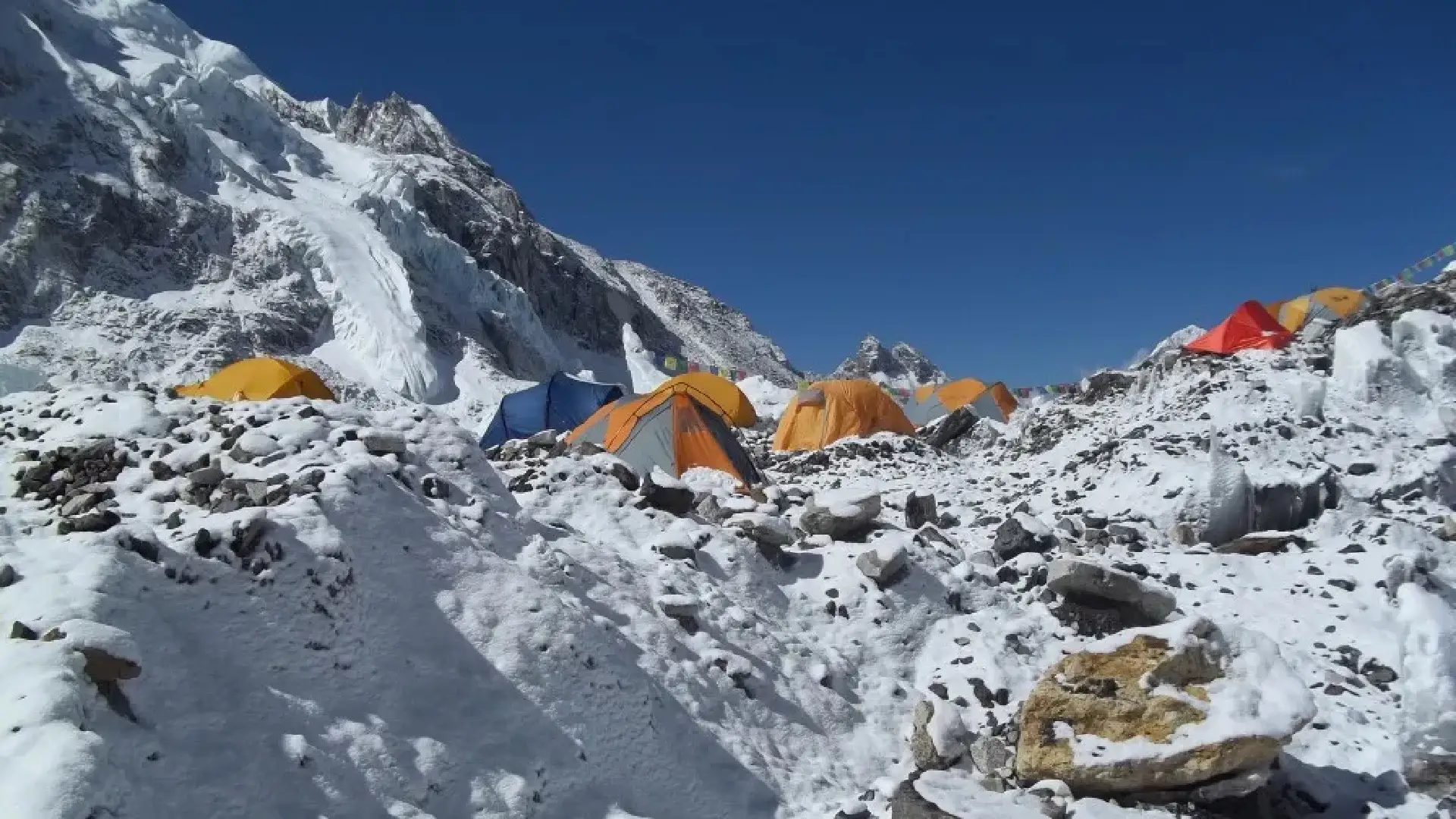
The Cho Oyu ExpeditionNorthwest Face / Northern Ridge Route follows gentle snow slopes (up to 35°) and well-defined ridges with minimal objective hazards. The climb begins in Kathmandu, then travels overland through the Friendship Highway into Tibet, passing Kerung and Tingri before reaching Chinese Base Camp (5,100 m).

Above Advanced Base Camp (5,700 m), climbers ascend through three high camps, traversing glacial terrain, moderate ice slopes, and the famous Yellow Band before stepping onto the broad, sweeping summit plateau of Cho Oyu.

Known for its accessible logistics and reliable weather windows, Cho Oyu offers an excellent opportunity to gain high-altitude experience under professional guidance. With Royal Orchid Treks & Expedition, you’ll receive complete support — from Sherpa expertise, oxygen systems, and communications to careful acclimatization planning — ensuring a safe, efficient, and rewarding ascent of this majestic Himalayan giant.
Makalu Expedition – South East & North West Ridge

Trip Overview

Join Royal Orchid Treks & Expedition on a journey to Mount Makalu (8,485 m) — the fifth-highest peak in the world and one of the most striking giants of the Himalayas. Standing just 19 km southeast of Everest, Makalu rises sharply from the Nepal–China border in a perfect four-sided pyramid, offering a dramatic and unforgettable sight for mountaineers.

Your expedition leads through the untouched wilderness of the Barun Valley, one of Nepal’s most pristine and biologically rich regions. Here, towering cliffs, cascading waterfalls, deep gorges, and rare flora and fauna create a Himalayan landscape unlike any other. Along the way, you’ll encounter the unique cultures of the Sherpa, Rai, and Kirati communities, adding depth and authenticity to the journey.

Makalu was first climbed in 1955 by a French team led by Jean Franco, with legendary mountaineers Lionel Terray and Jean Couzy among the first to reach the summit. Today, climbers tackle Makalu mainly via the classic Southeast Ridge, while the Northwest Ridge offers a more technical alternative for highly skilled alpinists. Both routes demand previous high-altitude experience above 7,000 m, strong ice skills, and a steady, focused approach.

The adventure begins in Kathmandu before flying to Tumlingtar and trekking through Num, Seduwa, Tashi Gaun, Khongma Danda, and the stunning Barun Valley toward Makalu Base Camp (4,850 m). From Base Camp, you’ll complete acclimatization rotations to higher camps before launching the final summit push to 8,485 m — a rewarding and truly Himalayan high-altitude experience.

Lhotse Expedition – South Col Route

Trip Overview

Experience the Lhotse Expedition (8,516 m) with Royal Orchid Treks & Expedition — a remarkable journey to the fourth-highest mountain in the world. Rising directly beside Mount Everest and forming part of the same majestic massif, Lhotse is known for its dramatic walls, steep ice sections, and technical climbing that reward experienced mountaineers seeking a true Himalayan challenge.

This expedition follows the classic South Col Route, sharing the legendary approach with Everest through the Khumbu Icefall, Western Cwm, and up the Lhotse Face to Camp III. From here, the route turns toward the narrow Lhotse Couloir, a steep gully of hard ice and mixed rock that demands steady focus, strong rope skills, and high-altitude stamina. First climbed in 1956 by Swiss climbers Fritz Luchsinger and Ernst Reiss, Lhotse’s towering South Face — rising more than 3,200 meters almost vertically — remains one of the most awe-inspiring faces in the Himalayas.

Designed for climbers with previous experience above 7,000 meters, the Lhotse Expedition offers a beautiful balance of technical ascent, alpine isolation, and breathtaking Himalayan scenery. With Royal Orchid’s small team approach, expert Sherpa guides, and decades of high-altitude experience, you’ll receive the support, safety, and careful planning needed for a confident and successful ascent. From warm hospitality at Base Camp to steady guidance on the mountain, your journey blends adventure, precision, and Sherpa heritage at every step.

Kangchenjunga Expedition – South Face Route

Overview

Embark on a true Himalayan odyssey with Royal Orchid Treks & Expedition on Mount Kangchenjunga (8,586 m) , the world’s third-highest peak and Nepal’s second-highest giant. Rising between Nepal and India in the remote eastern Himalayas, Kangchenjunga is legendary for its untouched beauty, steep faces, and deep spiritual significance to the local communities who regard it as a sacred mountain.

The Southwest Face Route is one of the most demanding and rewarding 8,000-meter climbs. This route leads through vast glaciers, sustained ice slopes, technical mixed sections, and exposed ridgelines, offering an authentic high-altitude experience for skilled alpinists. The approach is long and remote, the weather notoriously unpredictable, and the climbing exceptionally sustained, making Kangchenjunga a true test of endurance, precision, and mountaineering judgment.

With Royal Orchid Treks, every detail of the journey is handled with care and expertise. From complete permit arrangements to high-altitude logistics, safety planning, and acclimatization strategy, our veteran Sherpa guides lead the expedition with deep mountain knowledge and respect. A traditional Puja ceremony at Base Camp marks the spiritual beginning of the climb, honoring Sherpa culture and seeking blessings for a safe ascent.

This expedition is ideal for experienced mountaineers with prior ascents above 7,000 meters, seeking a challenging and less-commercialized 8,000-meter peak. We keep our teams small to provide personalized guidance, strong safety standards, and a meaningful expedition experience that blends adventure, culture, and professionalism at the highest level.

Mt. Putha Hiunchuli Expedition – North Face (Standard Route)

Trip Overview

Rising majestically at 7,246 m (23,773 ft), Putha Hiunchuli—also known as Dhaulagiri VII—marks the westernmost summit of Nepal’s famous Dhaulagiri Range. This elegant, snow-capped peak stands above the mystical Dolpo region, made legendary by Peter Matthiessen’s The Snow Leopard. Offering vast open glaciers, serene valleys, and a deep sense of isolation, the Putha Hiunchuli Expedition is one of Nepal’s most authentic and rewarding wilderness climbs.

First ascended in 1954 by J.O.M. (Jimmy) Roberts and Ang Nyima Sherpa, Putha Hiunchuli is renowned for its broad, glaciated northern slopes, averaging 30°–35°, and its long, scenic approach. It’s a technically moderate but physically demanding expedition—ideal for climbers looking to transition from 6000 m peaks to higher Himalayan objectives or to train for 8000 m mountains such as Dhaulagiri I or Manaslu.

This climb is unique in its remoteness and purity. The route begins with a flight to Juphal (Dolpo), followed by a scenic trek through ancient Bon villages, alpine valleys, and high passes before reaching Base Camp at 4,910 m. The ascent follows a three-camp strategy (C1: 5,300 m → C2: 5,900 m → C3: 6,300 m), culminating in a long but rewarding summit day with panoramic views of Dhaulagiri I, Churen Himal, and Kanjiroba Himal.

With Royal Orchid Treks & Expedition, climbers are supported by a professional Sherpa team, comprehensive logistics, and a safety-first approach. Putha Hiunchuli remains one of Nepal’s best 7000 m climbs—a true Himalayan adventure blending culture, solitude, and accomplishment.

Mt. Nuptse Expedition – Normal Route via Western Cwm

Trip Overview

Rising to 7,861 m (25,791 ft), Mt. Nuptse is one of Nepal’s most dramatic and formidable peaks, forming a central part of the Everest–Lhotse massif in the Mahalangur Himalaya of the Khumbu region. Its name, meaning “Western Peak”in Sherpa, reflects its position directly west of Lhotse and Everest. From the world-famous viewpoint of Kala Patthar, Nuptse’s towering ice walls dominate the western skyline, standing as Everest’s powerful twin.

The Nuptse Expedition is widely known as one of the most technical climbs among 7000 m peaks, demanding skill, endurance, and precision. The route follows the Everest approach through the Khumbu Icefall and the Western Cwmup to Camp II before branching off toward Nuptse’s steep north face and exposed summit ridge. Climbers encounter challenging mixed terrain—near-vertical ice walls, deep crevasses, and corniced ridges—making it a perfect training ground for 8000 m peaks such as Everest, Lhotse, or Makalu.

First summited in 1961 by Dennis Davis and Tashi Sherpa, Nuptse remains a coveted challenge for elite mountaineers seeking a technically demanding ascent in the shadow of Everest. Despite its proximity to the world’s highest mountain, Nuptse sees far fewer climbers, offering solitude, raw exposure, and one of the Himalaya’s most rewarding summit views.

With Royal Orchid Treks & Expedition, climbers are guided by veteran Sherpa professionals with deep experience on Everest, Lhotse, and Nuptse itself. From permits and route fixing to weather coordination and safety management, every aspect of the climb is meticulously organized—allowing you to focus fully on the mountain.

Mt. Pumori Expedition – Southeast Ridge Route

Trip Overview

Standing proudly at 7,161 m (23,494 ft), Mt. Pumori—meaning “Unmarried Daughter” in the Sherpa language—rises above the Khumbu Valley, just 8.5 km west of Mt. Everest. Its sharply defined pyramid profile dominates the skyline from Kala Patthar and is often called “Everest’s Daughter.”

The Southeast Ridge Route offers a superb technical 7000 m climb that combines steep snow and ice (55°–70°) with exposed ridgelines and spectacular views of Everest, Lhotse, Nuptse, and the Tibetan Plateau. First summited in 1962 by a German-Swiss team, Pumori quickly earned a reputation as one of the Himalaya’s most beautiful yet demanding peaks—ideal for climbers preparing for future 8000 m expeditions such as Everest or Cho Oyu.

The ascent requires solid high-altitude experience, strong endurance, and sound mountaineering skills. With careful acclimatization, fixed ropes, and full professional support from Royal Orchid Treks & Expedition, this climb offers a thrilling mix of technical challenge, Sherpa culture, and classic Himalayan scenery in the world’s most legendary mountain region.


Mt. Himlung Himal Expedition – West Ridge Route

Trip Overview

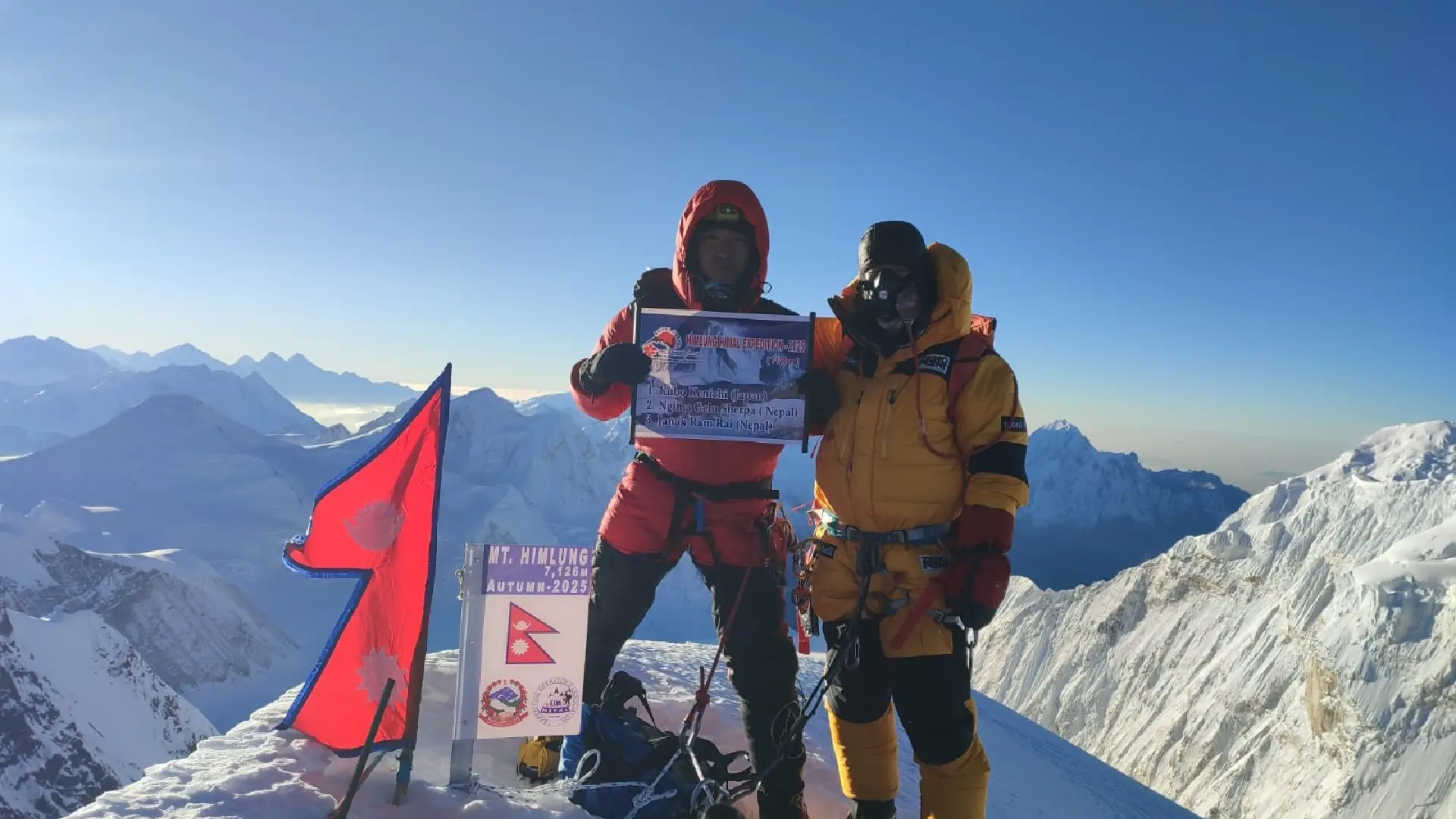
Rising above the remote Nar–Phu Valley, Mt. Himlung Himal (7,126 m) is among Nepal’s most beautiful and approachable 7,000-meter peaks — an ideal objective for mountaineers preparing for 8,000 m climbs such as Manaslu, Cho Oyu, or Everest.

Located in the Peri Damodar Range, northeast of the Annapurna massif and close to the Tibetan border, the Himlung Himal Expedition blends high-altitude adventure with rich cultural immersion. The journey begins on the Annapurna Circuit Trail, diverging at Koto to enter the restricted Nar–Phu Valley — a region of ancient Buddhist monasteries, timeless
stone villages, and dramatic mountain scenery.

First opened for climbing in 1992, Himlung Himal was summited the same year by a Japanese expedition. Since then, it has gained a reputation as a safe, scenic, and moderately challenging peak — ideal for climbers progressing toward higher goals. With its improved route via the Kari Kobler line (post-2013), the mountain now offers manageable snow and ice slopes, minimal objective hazards, and consistent summit success rates.

Climbers are rewarded with breathtaking views of Manaslu (8,163 m), Annapurna II (7,937 m), Ratna Chuli (7,035 m), Gyaji Khang (7,074 m), and the Tibetan plateau — making this expedition a rewarding balance of technical experience, cultural exploration, and Himalayan grandeur.

With Royal Orchid Treks & Expedition, every detail — from permits and logistics to safety and acclimatization — is meticulously managed by our professional Sherpa team. Our structured plan ensures you climb confidently, safely, and with the best chance of reaching the summit.

Mt. Baruntse Expedition – Southeast Ridge (Standard Route)

Trip Overview

Rising to 7,129 m (23,389 ft), Mt. Baruntse stands as one of Nepal’s most elegant and photogenic Himalayan peaks, perfectly positioned between Mount Everest and Mount Makalu in the Mahalangur Himal range. Enclosed by the pristine Hunku and Barun Glaciers, the mountain offers a rare sense of wilderness — far from the crowded trails of more commercial expeditions.

First summited in 1954 by a New Zealand team led by Sir Edmund Hillary, the Southeast Ridge Route remains the classic and most successful line to the summit. With ice slopes averaging 45°–50°, crevassed glacier sections, and a spectacular summit ridge, Baruntse is regarded as the ideal preparation climb for mountaineers aiming for future 8,000-meter goals such as Everest, Lhotse, or Makalu.

The Baruntse Expedition strikes the perfect balance of technical challenge, remote beauty, and strategic climbing. With Royal Orchid Treks & Expedition, you are guided
by highly experienced Sherpa climbers who combine decades of Himalayan expertise with modern safety systems and careful planning — ensuring a safe, smooth, and deeply rewarding ascent in the heart of Nepal’s high Himalaya


Annapurna Circuit Trek

Trip Overview

The Annapurna Circuit Trek, also known as the Round Annapurna Trek, is one of the world’s most iconic and rewarding long-distance adventures, a Himalayan journey that captures Nepal’s breathtaking diversity in a single trail. Over 16 unforgettable days, you will circle the entire Annapurna Massif, traversing landscapes that shift dramatically from lush subtropical valleys and terraced rice fields to alpine forests, glacial rivers, and the arid highlands of Mustang.

The trek follows the scenic Marsyangdi Valley, winding through traditional Gurung and Manang villages, ancient monasteries, and yak pastures before ascending to the legendary Thorong La Pass (5,416 m), the trek’s highest and most challenging point. From the top, trekkers are rewarded with an awe-inspiring panorama of Annapurna I (8,091 m), Dhaulagiri (8,167 m), Manaslu (8,163 m), and Machhapuchhre (6,993 m) glittering across the horizon.

Descending from the pass, the trail leads to Muktinath (3,800 m), a sacred pilgrimage site where Hindu and Buddhist beliefs intertwine, and onward through the dramatic Kali Gandaki Gorge, the deepest in the world. The route then opens to the windswept valleys and apple orchards of Jomsom, offering a glimpse into Mustang’s trans-Himalayan culture.

For trekkers seeking extra adventure, an optional side trip to Tilicho Lake (4,919 m) ,one of the highest and most beautiful alpine lakes on Earth, adds a magical highlight to the journey.

Combining spectacular mountain scenery, rich cultural immersion, and a perfect balance of challenge and comfort, the Annapurna Circuit Trek remains the quintessential Himalayan trekking experience, ideal for adventurers seeking both physical accomplishment and spiritual connection in the heart of Nepal.