Choosing the best time to trek in Nepal is less about finding a single “perfect” month and more about understanding how each season shapes the Himalayan experience. Weather, visibility, crowd levels, and cultural rhythms all shift throughout the year, and timing plays a crucial role in how a trek unfolds.
At Royal Orchid Treks & Expedition, our itineraries are designed around these seasonal nuances, drawing on generations of Sherpa knowledge to match each trekker with the conditions that suit them best. Below, we explain Nepal’s four trekking seasons in detail and highlight which routes work best during each period.
Spring Trekking in Nepal (March to May)
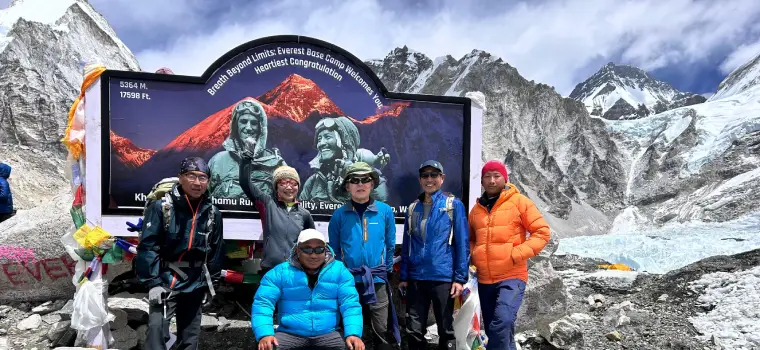
Spring is one of the most popular times for trekking in Nepal. As winter fades, temperatures rise gradually, alpine flowers bloom across the hillsides, and daylight hours lengthen. Visibility is generally strong in the mornings, particularly in higher-altitude regions. This season is especially well-suited for classic Himalayan routes such as the Everest Base Camp, where acclimatisation days align naturally with stable weather patterns. The Annapurna region also shines in spring, with rhododendron forests in full colour.
Why spring is ideal for trekking
• Mild daytime temperatures at altitude
• Excellent visibility, especially early in the day
• Peak season for Everest and high-altitude expeditions
Autumn Trekking in Nepal (September to November)
Autumn is widely regarded as the best time to trek in Nepal. After the monsoon clears, the air becomes crisp and clean, offering sharp mountain views and dry, stable trails. Daytime temperatures are comfortable, while nights are cool but manageable. This season is ideal for longer and more demanding treks, including the Annapurna Base Camp, Everest region treks, and high mountain passes. Autumn also coincides with major Nepali festivals such as Dashain and Tihar, adding a cultural richness to the journey.
Why autumn is the gold standard
• Most reliable weather of the year
• Crystal-clear Himalayan panoramas
• Ideal conditions for high-altitude trekking
Winter Trekking in Nepal (December to February)
Winter trekking offers a quieter, more introspective side of Nepal. While temperatures drop significantly at higher elevations, the skies are often exceptionally clear, and trails are far less crowded than during peak seasons. Lower and mid-altitude treks remain very achievable in winter, and trans-Himalayan regions such as Upper Mustang are particularly well-suited due to their dry climate. For trekkers who prioritise solitude and atmosphere, winter can be deeply rewarding.
Why some trekkers choose Winter
• Fewer crowds on popular trails
• Clear mountain views and dramatic light
• Ideal for cultural and rain-shadow regions
Monsoon Trekking in Nepal (June to August)
Monsoon season is often misunderstood. While afternoon rains are common in many regions, Nepal’s landscapes become lush and vibrant, waterfalls surge, and trekking routes are noticeably quieter.Certain areas, particularly rain-shadow regions such as Upper Mustang and Dolpo, receive minimal rainfall and are excellent choices during this time. Monsoon trekking requires careful route planning, making experienced local guidance especially important.
Why some trekkers choose monsoon
• Quiet trails and fewer tourists
• Lush scenery and dramatic landscapes
• Ideal conditions in select Himalayan regions
Final Thoughts
There is no single best time to trek in Nepal only the right season for the experience you seek. Each time of year reveals a different side of the Himalayas, from vibrant spring trails to the stillness of winter mornings.
At Royal Orchid Treks & Expedition, our itineraries are shaped by local knowledge, seasonal awareness, and a commitment to safe, well-paced journeys. By aligning your trek with the right season, the mountains reveal themselves in their own time and in their own way.