An Honest Answer from a Sherpa Born and Raised Below Everest
The Everest Base Camp Trek is often described in extremes. Some portray it as a once-in-an lifetime physical test, while others reduce it to a simple walk. Neither description fully reflects the reality of the journey. For Sherpas born and raised in villages below Everest, this trail is not something abstract or intimidating. It is part of everyday life, shaped by altitude, weather, and rhythm rather than speed or strength. Understanding the true difficulty of the Everest Base Camp Trek requires separating perception from reality.
The Short Answer
The Everest Base Camp Trek is physically achievable for most people with basic fitness. However, it becomes challenging due to altitude, sustained daily walking, and mental patience rather than technical difficulty. No climbing or mountaineering skills are required. Success depends on steady pacing, proper acclimatisation, and respect for the mountain environment.
What Makes the Everest Base Camp Trek Difficult?
1. Altitude and Acclimatisation
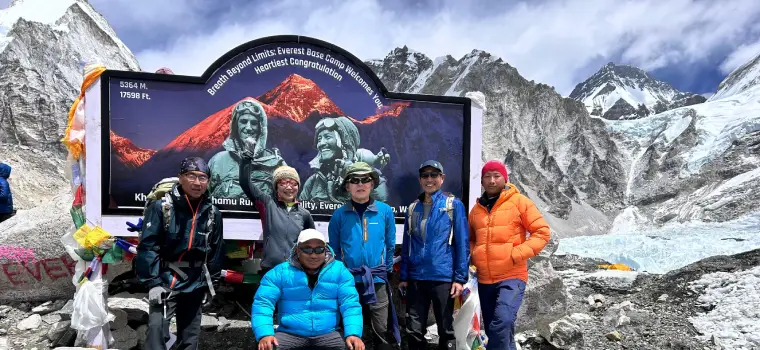
Altitude is the single most significant challenge on the Everest Base Camp Trek. The trek reaches a maximum altitude of 5,364 metres, where oxygen levels are roughly half of those atsea level. Common effects of altitude include headache, fatigue, reduced appetite, and disturbed sleep. These symptoms are normal and can affect anyone, regardless of age or fitness level. This is why acclimatisation days in places such as Namche Bazaar and Dingboche are essential to allow the body time to adjust safely. Our Everest Base Camp Trek itinerary is designed with gradual altitude gain and scheduled acclimatisation to reduce risk and improve overall comfort.
2. Daily Walking Distance and Duration The terrain on the Everest Base Camp Trek is not technical, but it does require consistency and endurance. Most trekking days involve between five and seven hours of walking on
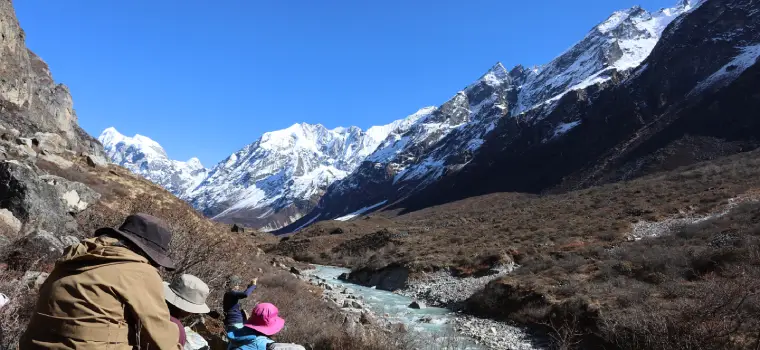
uneven trails with gradual ascents and descents. As altitude increases, walking speed naturally slows. Consecutive trekking days allow limited physical recovery, which can feel demanding over time. A steady pace is expected and should never be rushed.
3. Cold Temperatures and Simple Conditions
As you move higher into the Khumbu region, temperatures drop significantly, particularly at night and in the early mornings. Sub-zero conditions are common at higher elevations.
Teahouse accommodation along the route is simple but adequate. Rooms are basic, and heating is generally limited to shared dining areas. The trek prioritises safety, practicality, and
experience rather than comfort or luxury. Realistic expectations help trekkers adjust more easily to the environment.
4. Mental Endurance and Patience
From years of guiding experience, mental endurance is often more important than physical strength. Progress feels slower at altitude, fatigue builds gradually, and daily routines become
repetitive. Trekkers who accept a slower pace, remain patient, and listen to their bodies tend to cope
well. Those who try to push beyond what altitude allows often struggle unnecessarily.
Final Thoughts
The Everest Base Camp Trek is challenging, but it is achievable for many people when approached correctly. Its difficulty comes from altitude, endurance, and conditions rather
than technical skill. This trek is ideal for those who want a meaningful physical and mental challenge, respect altitude and local guidance, enjoy cultural experiences alongside mountain scenery, and are willing to walk steadily over multiple days. The Everest Base Camp Trek may not be the right fit if you prioritise comfort-focused travel, dislike cold environments, struggle with slow progress, or are unwilling to follow guide advice regarding pacing and rest. This is a high-altitude Himalayan trek and should be approached with realistic expectations.
At Royal Orchid Treks & Expedition, our Sherpa-led approach focuses on safety, pacing, and understanding the mountain environment. With the right preparation and mindset, reaching the Everest Base Camp becomes not just possible, but deeply rewarding.